How Long Do Fire Extinguishers Last? A Guide to Expiration Dates
February 23, 2026
What to Expect During Your Professional Fire Extinguisher Service Appointment
March 10, 2026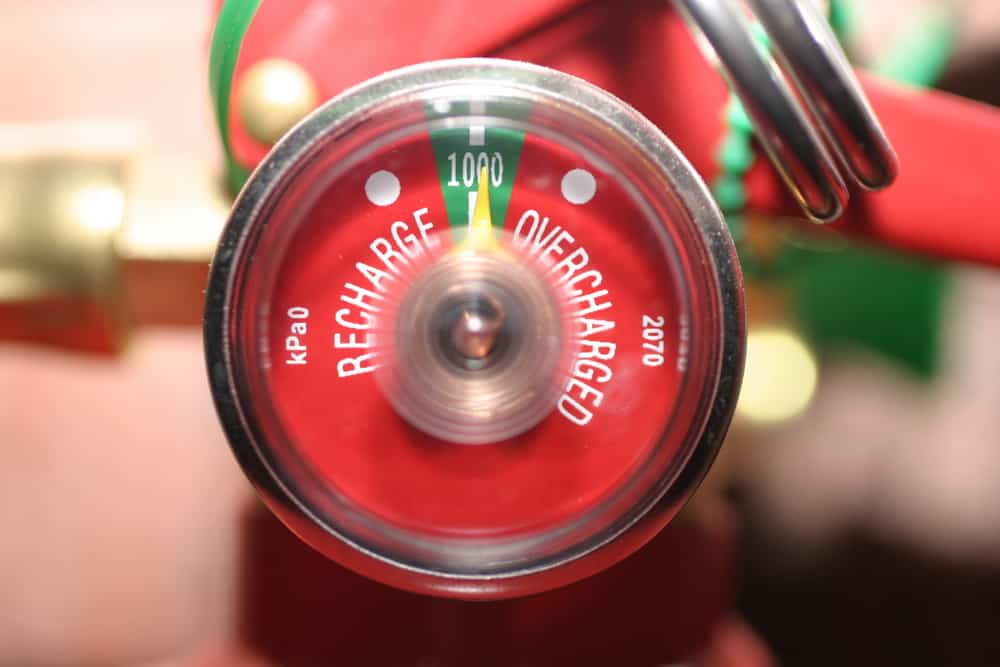
Summary:
Fire Extinguisher Inspection Requirements in Long Island NY
In New York, fire extinguishers must undergo regular inspections to ensure they remain in working condition, with business owners required to perform monthly visual checks and keep records of these inspections. This isn’t just a suggestion—it’s the law. Learn more about fire extinguisher recharge and refill services to stay compliant.
You must keep current with fire extinguisher inspections every 12 months, and failure to do so can result in lapses in insurance, fire Marshall fines, and forced business closure. The stakes are real, and FDNY fines range from $300 to $1,000 per extinguisher for failing to maintain properly inspected equipment.
Your monthly checks are simple but crucial. Look for damage, check the pressure gauge stays in the green zone, and make sure the pin and seal are intact. But the annual professional inspection? That’s where the real decisions about recharging or replacing happen.
What Happens During Professional Fire Extinguisher Service
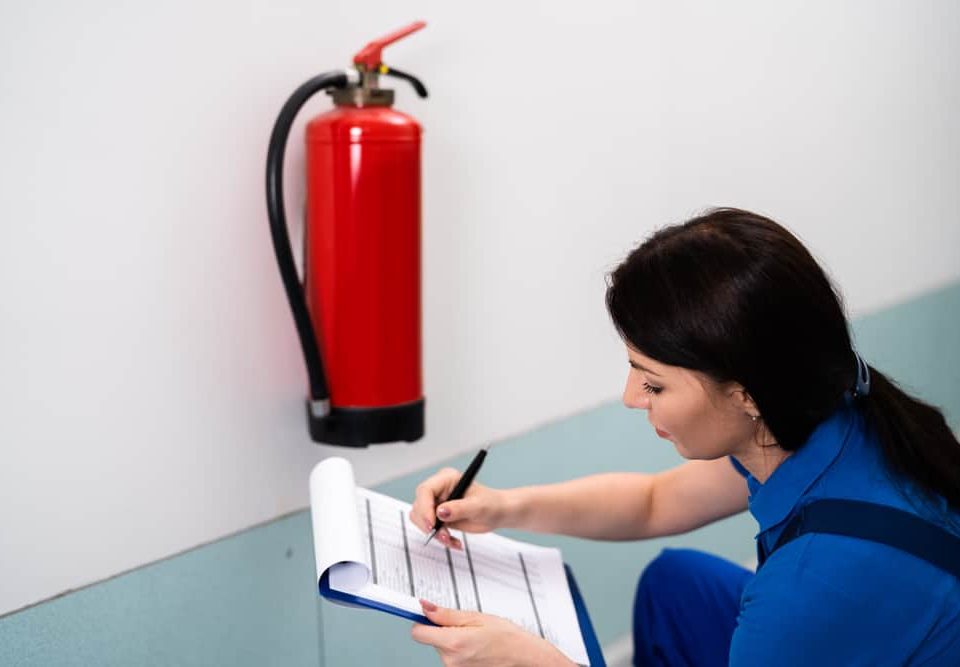
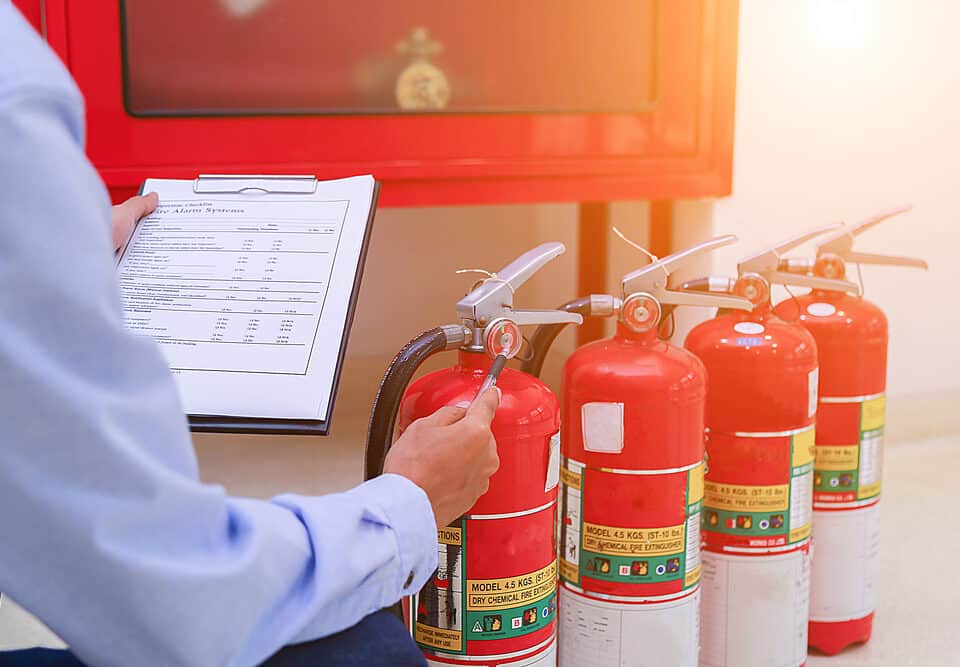
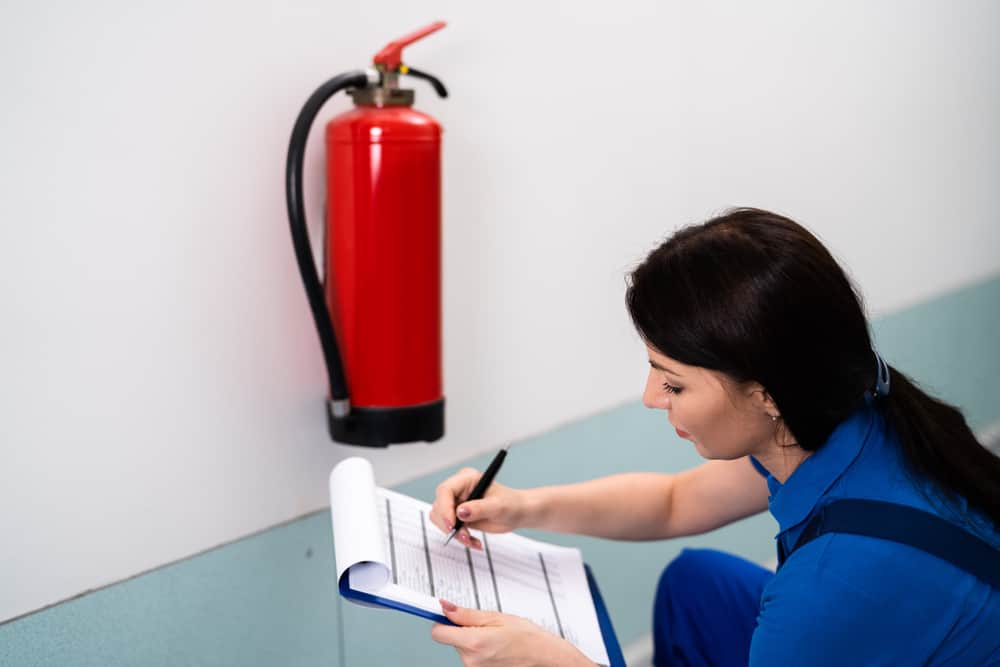
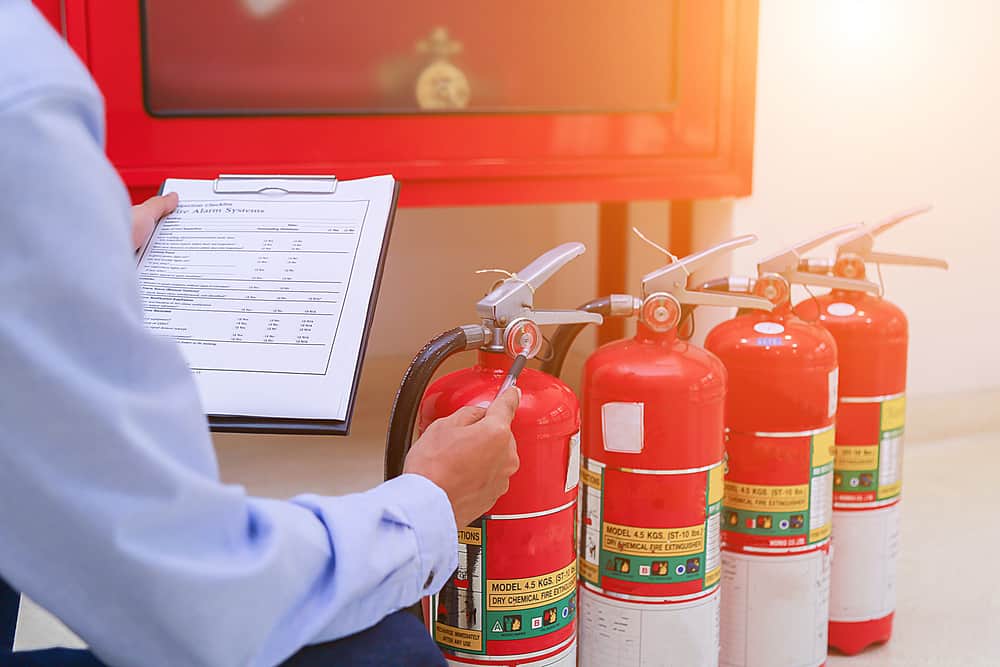
When it comes to fire extinguisher services and inspections, our qualified team conducts a full walk-through of your home or business, wanting to be absolutely certain that you are well protected and that your fire safety equipment is in proper working order and up to fire safety codes.
The inspection goes beyond what you can see. We examine fire extinguishers to ensure they’re in proper working order and will operate effectively and safely in case of emergency, determining if repairs or replacement is necessary if there’s any physical damage.
During on-site inspection, we also determine if any installed fire extinguishers must undergo further testing such as Six-Year Maintenance or Hydrostatic Testing. In New York State, stored pressure fire extinguishers must be discharged and undergo internal examination every six years—this isn’t optional maintenance but required within this timeframe.
Here’s what sets professional service apart: If any current fire extinguishers need major service or repair, we temporarily remove your current extinguisher and provide a temporary one to ensure your home or company remains protected against any fire-related emergency. You’re never left unprotected.
Hydrostatic testing is legally required as part of six-year maintenance—a procedure that tests the pressure of all installed fire extinguishers to ensure strength and ability to withstand unwanted pressure. This testing reveals problems you can’t see from the outside.
Long Island Fire Code Compliance and Documentation Requirements
A business, multi-home residence, apartment complex, retail, commercial and municipal building must have clearly tagged and yearly inspected fire extinguisher tags per FDNY regulations. The documentation isn’t just paperwork—it’s your proof of compliance.
Monthly inspections are conducted by building staff as visual checks, while yearly inspections are performed by certified professionals involving detailed maintenance and potential testing that requires professional certification. You can’t substitute one for the other.
The fire extinguisher inspection tag contains important information—a record of maintenance history and condition from every inspection. If you have a fire extinguisher with a missing tag, it must be replaced, even if you get a new tag, because you have no knowledge of who inspected it, when, or what was recorded.
Fire extinguishers in Nassau County Long Island must be inspected yearly to maintain adequate insurance, business licensing and fire safety fitness code—for many business owners, multi-home residential landlords, and government businesses, servicing yearly is not just local fire-code but also insurance requirements.
The documentation creates a paper trail that protects you during inspections and insurance claims. Missing or incomplete records can cost you more than the service itself. After inspecting, refilling, and recharging if necessary, new tags are affixed good until the next year, with all records of inspections, maintenance and testing maintained to ensure fire safety fitness.
When to Recharge vs Replace Your Fire Extinguisher
The decision isn’t always obvious, but there are clear guidelines. It depends on the size and condition of your fire extinguisher—for larger extinguishers in good condition, recharging is usually cheaper and costs $15-50.
NFPA requires recharging every 10 years if your extinguisher has never been recharged, and fire extinguisher replacement every 12 years even if nothing is wrong with it. These aren’t suggestions—they’re industry standards that keep you compliant.
You should recharge a fire extinguisher after each use, even if it’s not empty, to ensure enough pressure and suppressant liquid are present to extinguish another fire. Even partial discharge compromises effectiveness.
Clear Signs Your Fire Extinguisher Needs Replacement
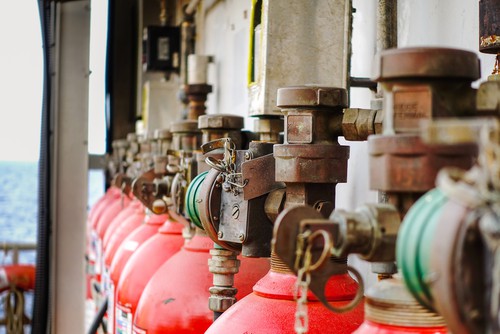
Some damage can’t be fixed with recharging. If a fire extinguisher canister or the hose, gauge, pins, nozzles, handle, or any other part is missing or in disrepair, it must be replaced—fire extinguishers cannot be repaired in most circumstances.
Fire extinguisher recharging services will not be an option if there is any sign of structural damage to the cylinder—if you notice any signs of damage or if it doesn’t keep pressure up, then it needs to be replaced altogether.
Look for these replacement indicators: broken or missing pin on the handle, unstable handle, visible rust or corrosion, cracked hose or nozzle, slow pressure loss, or missing inspection tag. Any of these issues means replacement is your only safe option.
If you’re not sure why an extinguisher is losing pressure and recharging doesn’t help, then replace it—if recharging isn’t keeping pressure up or there are other signs of damage, it should be replaced, especially if its charge has been compromised.
Age matters too. Experts recommend replacing fire extinguishers every 12 years regardless of their condition, and if a recharged fire extinguisher does not maintain correct pressure, it should be replaced immediately. Don’t gamble with old equipment.
Cost Analysis: Recharge vs Replace Fire Extinguishers
The math isn’t complicated, but it’s important. For 2.5 lb ABC fire extinguishers, recharging is not cost-effective—these small units should be replaced every 6 years or after any use. The labor costs more than a new unit.
Recharging is generally more economical for larger, well-maintained extinguishers, but replacing a small or damaged extinguisher might be more cost-effective in the long run, especially if frequent recharging is required.
Around 80% of fire extinguishers are rechargeable, which can save money since recharging costs range from $15 to $30, compared to purchasing a new one which can be $50 or more. The savings add up, especially for larger facilities with multiple units.
Sometimes replacing the entire extinguisher is more cost-effective, especially with smaller canisters—you have to do what’s best for your budget, but if your extinguisher’s exterior isn’t damaged and there is an inspection tag, recharging might be the more economical choice.
Consider the total cost of ownership. Industrial-quality BC fire extinguishers manufactured by either Amerex or ANSUL can last for decades with proper maintenance. Quality equipment maintained properly delivers long-term value.
The decision comes down to condition, age, and size. Small units get replaced. Large units in good condition get recharged. Damaged units get replaced regardless of size. Keeping your occupants safe matters most—monthly inspections by a fire protection company will always keep you informed.
Making the Right Fire Extinguisher Service Decision for Your Business
The choice between recharging and replacing isn’t guesswork when you know what to look for. Size, condition, age, and compliance requirements guide your decision. Small extinguishers get replaced. Large ones in good shape get recharged. Damaged equipment gets replaced immediately.
Reliable, working fire extinguishers are vital to fire safety in your business—if there is damage, recharging is not an option. Your safety and compliance depend on making the right call every time.
Don’t let inspection deadlines sneak up on you. You must keep current with fire extinguisher inspections every 12 months, and failure can result in insurance lapses, fire Marshall fines, and forced business closure. When you need professional fire extinguisher inspection, service, or replacement in Long Island, we have the expertise to keep your business compliant and protected.
Related posts