
Top 5 Common Inspection Failures and How to Avoid Them
March 15, 2026
Summary:
What Are Digital Fire Extinguisher Inspection Logs
Digital fire extinguisher inspection logs are software systems that track, document, and manage fire extinguisher inspections electronically. Instead of handwritten tags and paper records, these systems use mobile apps, barcode scanning, and cloud storage to create permanent, searchable records of every inspection, maintenance task, and service performed on your equipment.
When a technician inspects a fire extinguisher, they scan a barcode or QR code on the unit. The system pulls up the extinguisher’s complete history—manufacture date, last inspection, upcoming maintenance requirements, and any deficiencies found. The technician completes a digital checklist aligned with NFPA 10 standards, takes photos if needed, and submits the inspection. The system automatically timestamps everything, updates your compliance dashboard, and schedules the next inspection.
For businesses in Nassau County, Suffolk County, and across New York City’s five boroughs, this means you always know which extinguishers are compliant, which need service, and which are approaching their 6-year or 12-year maintenance windows. No more guessing. No more digging through boxes of old paperwork when FDNY shows up.
How Digital Logs Track Fire Extinguisher Compliance Requirements
Fire extinguishers don’t follow a simple annual schedule. NFPA 10 requires monthly visual inspections, annual professional maintenance, 6-year internal examinations for stored pressure units, and hydrostatic testing every 12 years for dry chemical extinguishers or 5 years for CO2 units. Each extinguisher in your building operates on its own timeline based on its manufacture date and service history.
Digital inspection logs handle this complexity automatically. When you add a fire extinguisher to the system, you enter its manufacture date and type. The software calculates every required inspection and maintenance task, then adds them to your compliance calendar. As each deadline approaches, the system sends alerts to the responsible parties—whether that’s your facility manager for monthly checks or your fire protection company for annual certifications.
This automated scheduling prevents the most common cause of fire code violations: simply forgetting when service is due. A restaurant in Queens might have 15 fire extinguishers installed over the past decade. With paper logs, tracking 15 different 6-year maintenance dates is nearly impossible. With digital logs, the system does it automatically, flagging units that need service weeks before they become overdue.
The system also handles moveable equipment—a challenge that paper logs can’t solve. If you discharge an extinguisher and swap it with a spare, digital tracking updates both units’ locations and service histories with a simple barcode scan. Your compliance records stay accurate without manual data entry or the risk of losing track of which extinguisher is where.
For businesses operating across Long Island and NYC, this matters because Nassau County, Suffolk County, and FDNY all enforce compliance differently. Digital systems can be configured to match local requirements, ensuring your documentation meets the specific standards your fire marshal expects to see.
Why Paper Logs Fail During Fire Marshal Inspections
Paper-based fire extinguisher logs create three problems that consistently lead to violations during fire marshal inspections. First, they’re easy to lose. A logbook stored in a maintenance closet gets moved, damaged, or simply disappears over time. When an inspector asks for your inspection records, “I know we have them somewhere” doesn’t prevent a citation.
Second, paper logs are hard to verify. A handwritten entry showing a monthly inspection was completed doesn’t prove much. Did someone actually check that extinguisher, or did they just initial the log? Fire marshals see fraudulent documentation regularly—it’s why FDNY now requires numbered, traceable tags that can be verified against approved company records.
Third, paper systems don’t scale. If you manage one building with five extinguishers, paper might work. If you manage ten buildings with 150 extinguishers across Brooklyn, Manhattan, and Queens, paper becomes impossible. You’re tracking hundreds of inspection dates, maintenance schedules, and compliance deadlines across multiple locations. Something will slip through the cracks.
Digital inspection logs solve all three problems. Records are stored in the cloud, backed up automatically, and accessible from anywhere. Every inspection is timestamped and linked to a specific technician’s credentials, creating an audit trail that fire marshals can verify. And the system scales effortlessly—whether you have 10 extinguishers or 1,000, the software tracks them all with the same reliability.
The cost difference between paper and digital becomes obvious during an inspection. A property manager in Suffolk County recently avoided a $5,000 fine because their digital system instantly produced two years of inspection records, complete with photos and technician certifications. Their previous paper system would have required hours of searching through filing cabinets—time they wouldn’t have had with an inspector waiting.
For businesses subject to FDNY inspections, this documentation quality matters even more. NYC’s enforcement is strict, and incomplete records are treated the same as missing inspections. Digital logs eliminate the documentation gaps that paper systems create, giving you defensible proof of compliance the moment it’s requested.
Benefits of Digital Compliance Tracking for NY Businesses
Digital compliance tracking delivers three immediate benefits for New York businesses: reduced violations, lower administrative burden, and better budget forecasting. Each one addresses a specific pain point that property managers and business owners face when managing fire safety across Long Island and NYC.
Reduced violations happen because digital systems eliminate the human error that causes most compliance failures. Missed inspection dates, forgotten maintenance tasks, and lost documentation all disappear when software handles the tracking. You receive automated reminders weeks before service is due, giving you time to schedule technicians without the panic of last-minute compliance gaps.
Lower administrative burden means your staff spends less time managing paperwork and more time on core responsibilities. Monthly inspections that used to require clipboard walks, manual data entry, and filing now happen through a mobile app. Annual reports that took hours to compile generate automatically. And when auditors or insurance companies request documentation, you produce it in minutes instead of days.
How Automated Reminders Prevent Costly Fire Code Violations
Fire code violations in New York carry serious financial consequences. FDNY violations typically range from $800 to $5,000 per citation, with repeat offenders facing escalating penalties and potential operational shutdowns. A single missed annual inspection can cost more than years of professional fire protection service.
Automated reminder systems prevent these violations by creating multiple layers of notification before any deadline is missed. A typical digital compliance system starts alerting you 60 days before an inspection is due. You receive follow-up notifications at 30 days, 14 days, and 7 days. If the deadline passes without completion, the system escalates alerts to supervisors or management.
This proactive approach works because it removes the burden of remembering from your team. Instead of relying on someone to check a calendar or notice an expiring tag, the system does the monitoring automatically. For businesses managing multiple properties across Queens, Brooklyn, Nassau County, or Suffolk County, this means every location stays compliant without requiring constant manual oversight.
The financial impact extends beyond avoiding fines. Insurance companies often require proof of regular fire extinguisher inspections. Missing documentation can complicate claims or increase premiums. Digital systems provide the inspection history insurers want to see, demonstrating your commitment to fire safety and potentially reducing your insurance costs.
Automated reminders also improve relationships with fire protection companies. Instead of emergency calls when you realize an inspection is overdue, you schedule service during normal business hours at times that work for your operations. This planning reduces service costs and ensures technicians can perform thorough inspections rather than rushed compliance checks.
For restaurants and commercial kitchens in NYC, where FDNY inspections are frequent and enforcement is strict, automated reminders are particularly valuable. A Brooklyn restaurant owner recently described how their digital system prevented a violation during a surprise FDNY inspection. The system had flagged an upcoming annual inspection two weeks earlier, prompting them to schedule service. When the inspector arrived days later, every extinguisher had current tags and documentation—something that wouldn’t have happened with their old paper calendar system.
The system also handles the complexity of staggered maintenance schedules. A warehouse in Suffolk County might have 30 fire extinguishers with 30 different manufacture dates, creating 30 different 6-year maintenance deadlines. Digital tracking monitors all 30 schedules simultaneously, alerting you as each deadline approaches. Paper systems can’t match this level of precision, which is why businesses with large extinguisher inventories see the biggest compliance improvements after switching to digital.
Real-Time Documentation That Fire Marshals Actually Accept
Fire marshals and FDNY inspectors have seen every excuse for missing documentation. They know the difference between genuine compliance and last-minute scrambling. Digital inspection logs create the type of documentation that passes scrutiny because it includes verifiable details that paper logs can’t provide.
When a technician completes a digital inspection, the system captures the exact date and time, GPS location, technician credentials, specific checklist items completed, photos of the equipment, and any deficiencies found. This level of detail creates an audit trail that inspectors can verify against company records and technician certifications. It’s much harder to fake than a handwritten signature on a paper tag.
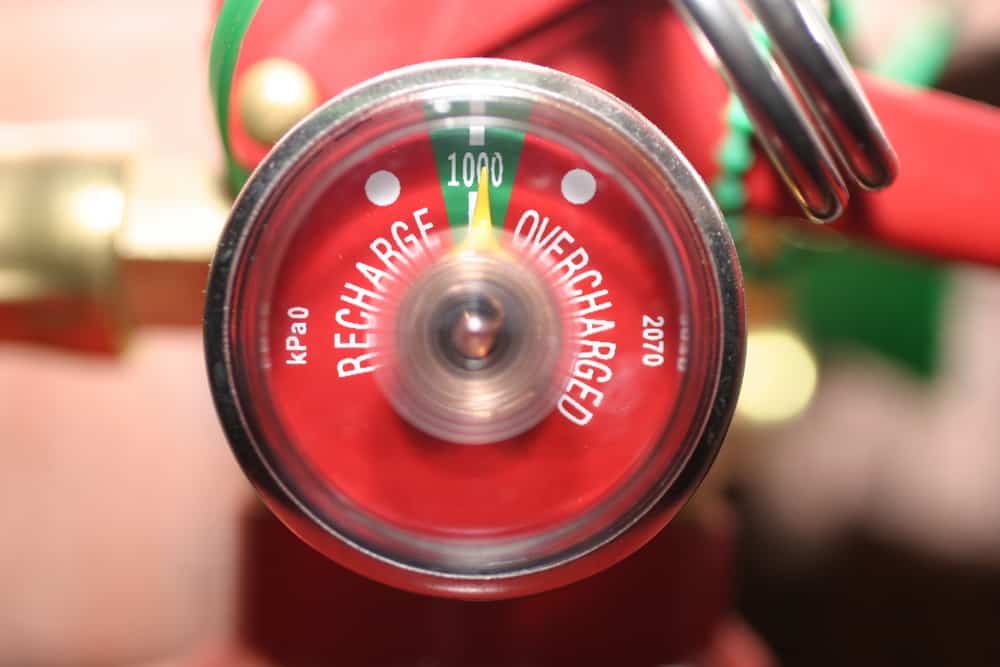
Photo documentation is particularly valuable during inspections. If an inspector questions whether an extinguisher was actually checked, you can pull up timestamped photos from the inspection showing the pressure gauge, tamper seal, and mounting location. This visual proof eliminates disputes and demonstrates thoroughness that paper logs can’t match.
The documentation also helps during follow-up inspections. If a fire marshal identifies a deficiency and requires corrective action, digital systems track the entire remediation process. You can show exactly when the problem was identified, what action was taken, who performed the work, and when the issue was resolved. This complete record satisfies inspectors and reduces the risk of repeat violations.
For businesses operating across multiple jurisdictions, digital documentation adapts to local requirements. FDNY requires specific tag formats and numbering systems. Nassau County has centralized oversight with uniform documentation standards. Suffolk County’s 109 independent fire departments may have additional local requirements. Digital systems can be configured to meet each jurisdiction’s expectations, ensuring your records satisfy whichever authority inspects your property.
The accessibility of digital records also matters during inspections. When a fire marshal asks for your inspection history, you pull it up on a tablet or phone in seconds. You can filter by location, date range, or equipment type. You can generate compliance reports on demand. This immediate access demonstrates professionalism and preparedness that paper systems simply can’t deliver.
Property management companies with portfolios across Long Island and NYC particularly benefit from this centralized access. A single compliance dashboard shows the inspection status of every property, every fire extinguisher, and every upcoming deadline. Regional managers can verify compliance across their entire portfolio without visiting each location or requesting paperwork from site managers. This visibility reduces risk and simplifies oversight in ways that paper logs never could.
Making the Switch to Digital Fire Safety Compliance
Digital fire extinguisher inspection logs transform compliance from a constant worry into an automated process that runs in the background. You stop scrambling to find paperwork before inspections. You stop paying fines for missed deadlines. You stop wondering whether your fire protection company actually performed the services they billed for.
The technology handles the complexity that paper systems can’t manage—staggered maintenance schedules, moveable equipment, multi-location tracking, and jurisdiction-specific requirements. You get automated reminders, centralized documentation, and audit trails that fire marshals accept without question.
For businesses across Long Island, Queens, Brooklyn, Manhattan, the Bronx, and Staten Island, this shift from reactive to proactive fire safety management makes compliance simpler and more reliable. You’re not just meeting minimum requirements—you’re building a defensible compliance program that protects your business, your property, and the people who depend on your fire safety systems working when they’re needed most.
At M&M Fire Extinguishers Sales & Services, Inc., we understand these compliance challenges because we work with businesses facing them every day across NYC and Long Island. Our experience with NFPA 10 standards, FDNY requirements, and local fire code variations across Nassau and Suffolk Counties makes us a valuable partner for businesses ready to improve their fire safety compliance strategy.