
Beyond the Tag: Why Digital Fire Extinguisher Inspection Logs are a Game Changer
March 16, 2026
ABC Dry Chemical Fire Extinguisher: How It Works
May 7, 2026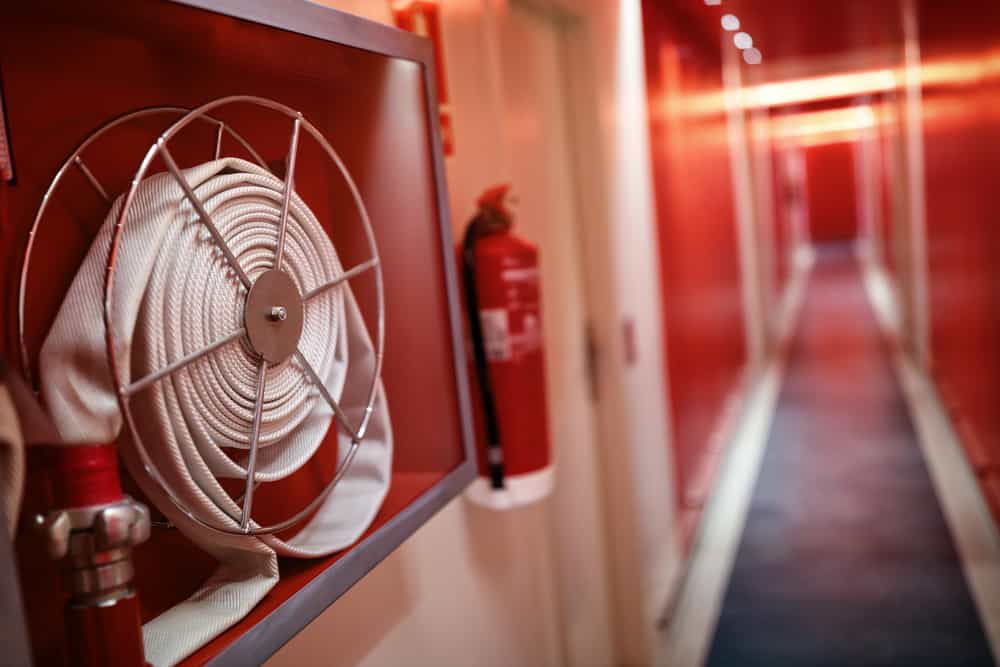
Summary:
You know your business needs fire extinguishers. What you might not know is that using the wrong type on an electrical fire can make things worse—or get someone electrocuted. Class C fire extinguishers are built specifically for fires involving energized electrical equipment, which means computers, servers, circuit panels, kitchen appliances, and all the plugged-in equipment that keeps Nassau County businesses running. Water-based extinguishers won’t work here, and trying to use one creates serious danger. This guide breaks down what Class C fire extinguishers actually are, which types handle electrical fires safely, and how they compare to the ABC extinguishers you see in most commercial buildings.
What Is a Class C Fire Extinguisher
A Class C fire extinguisher is designed to put out fires involving energized electrical equipment. The “energized” part matters because it means the equipment is still connected to a power source, which creates a continuous ignition risk and electrocution hazard. These fires can start from faulty wiring, short circuits, overloaded outlets, damaged power cords, or overcharged devices in any commercial setting.
The Class C designation doesn’t actually describe a specific type of extinguisher. It describes the extinguishing agent’s ability to work safely on electrical fires without conducting electricity back to the person using it. That’s why you’ll see extinguishers labeled BC or ABC that both carry the C rating—they use non-conductive agents that won’t spread the electrical current or create shock hazards.
Once you disconnect the power source, the fire technically stops being Class C and becomes whatever material is burning—Class A for ordinary combustibles like wood or paper, or Class B for flammable liquids. But disconnecting power isn’t always safe or possible during an active fire, which is exactly why having the right extinguisher matters.
How Class C Fires Start in Commercial Buildings
Commercial electrical fires don’t announce themselves. They start from conditions that might exist for months or years before something finally ignites. Faulty wiring sits inside walls where nobody sees it deteriorating. Overloaded circuits handle more demand than they were designed for, slowly heating up connections. Damaged power cords get stepped on, pinched behind equipment, or frayed from repeated use until insulation wears away.
Nassau County businesses face these risks in server rooms, commercial kitchens, manufacturing facilities, retail spaces, and office buildings. Anywhere you have electrical distribution equipment, transformers, motors, appliances, or high-powered tools, you have potential Class C fire hazards. The National Fire Protection Association reports that commercial electrical fires cause approximately $1.36 billion in direct property damage annually, with about 33,470 incidents occurring across the United States each year.
What makes electrical fires particularly dangerous is that the power source acts as a constant ignition point. Even if you manage to knock down the flames temporarily, the fire can reignite as long as electricity keeps flowing to the equipment. Water and water-based foam extinguishers conduct electrical current, which means using them on energized equipment can electrocute the person trying to fight the fire while potentially spreading the electricity and making the situation worse.
Class C fire extinguishers solve this problem by using agents that don’t conduct electricity. Whether it’s dry chemical powder, carbon dioxide, or clean agent gas, these extinguishing materials can safely contact electrical components without creating additional hazards. The agent still needs to remove heat, separate fuel from oxygen, or interrupt the chemical reaction that sustains fire—it just does so without conducting electrical current in the process.
A Class C Fire Extinguisher Is Used For Energized Electrical Equipment
When people ask what a Class C fire extinguisher is used for, the answer is straightforward: any fire involving electrical equipment that’s still connected to power. That includes circuit breakers, electrical panels, wiring, computers, servers, data center equipment, manufacturing machinery, commercial appliances, transformers, motors, and anything else that’s plugged in or hardwired.
In Nassau County commercial properties, you’ll find these fire risks everywhere. Office buildings have server rooms with racks of networking equipment. Restaurants have commercial refrigerators, ovens, and electrical panels. Retail stores have point-of-sale systems, lighting circuits, and HVAC controls. Manufacturing facilities operate heavy machinery, conveyor systems, and industrial equipment. Every one of these represents a potential Class C fire hazard.
The key difference between Class C and other fire classifications comes down to that electrical component. Class A fires involve ordinary combustibles like wood, paper, cloth, and plastic—materials you can safely extinguish with water. Class B fires involve flammable liquids like gasoline, oil, and grease. Class K fires specifically address cooking oils and fats in commercial kitchens. Class D handles combustible metals in specialized industrial settings.
Class C stands apart because the electrical current creates ongoing danger even after you knock down visible flames. Until someone disconnects the power source or the fire damages the electrical connection enough to break the circuit, that equipment can keep trying to reignite. Using a Class C-rated extinguisher protects the person fighting the fire from electrocution while addressing the flames themselves.
Fire extinguisher for energized electrical equipment needs to meet specific safety standards. The agent inside must be non-conductive, which is why you’ll never see a water-based extinguisher with a Class C rating. The NFPA mandates that all extinguishers used on electrical fires carry proper Class C certification, and using equipment without that rating violates fire codes while creating liability issues for business owners.
Dry Chemical Fire Extinguisher Types for Class C Fires
Dry chemical fire extinguishers are the most common type you’ll find in commercial buildings, and for good reason. They work on multiple fire classes, they’re relatively affordable, and they’re effective at knocking down flames quickly. The dry chemical itself is a fine powder—usually monoammonium phosphate for ABC extinguishers or sodium bicarbonate for BC types—that gets propelled by pressurized nitrogen.
When you discharge a dry chemical extinguisher on a Class C fire, the powder creates a barrier between the fuel and oxygen while interrupting the chemical reaction that sustains combustion. It coats the burning material, cuts off the oxygen supply, and provides some cooling effect on the flames. Because the powder is non-conductive, it’s safe to use on energized electrical equipment without creating shock hazards.
The trade-off with dry chemical extinguishers is the residue they leave behind. That powder gets everywhere, and it can be corrosive to electrical components if not cleaned up properly. For sensitive equipment like servers or medical devices, that residue might cause more damage than the fire itself. But for general commercial use—offices, warehouses, retail spaces, manufacturing floors—dry chemical extinguishers offer the best balance of effectiveness, versatility, and cost.

ABC Fire Extinguisher vs BC for Electrical Fires
The ABC fire extinguisher is what most people picture when they think about fire extinguishers. That red canister with the pressure gauge handles Class A fires (ordinary combustibles), Class B fires (flammable liquids), and Class C fires (electrical equipment). It’s the multi-purpose workhorse of commercial fire protection, which is why you see them mounted in hallways, near exits, and in common areas throughout Nassau County businesses.
ABC extinguishers use monoammonium phosphate as their dry chemical agent. This powder works across all three fire classes by coating fuel, separating it from oxygen, and interrupting the combustion process. The non-conductive nature makes it safe for electrical fires, while its effectiveness on ordinary combustibles and flammable liquids means you don’t need to stock multiple extinguisher types for different scenarios.
BC extinguishers, on the other hand, only handle flammable liquids and electrical fires. They typically use sodium bicarbonate or potassium bicarbonate instead of monoammonium phosphate. These agents work well on Class B and C fires but don’t have the same effectiveness on Class A materials. You’ll find BC extinguishers in areas where flammable liquids are the primary concern—automotive shops, industrial facilities, or near fuel storage areas.
For most Nassau County businesses, ABC extinguishers make more sense because they cover more scenarios. You don’t need to train employees to identify which fire class they’re facing before grabbing the right extinguisher. The ABC rating means it’ll work regardless of whether the fire involves paper in a trash can, oil in a storage area, or an electrical panel. That versatility matters when seconds count and people are making decisions under stress.
The main consideration with ABC versus BC comes down to the specific hazards in your facility. If you operate a data center or server room where electrical fires are the primary concern and you want to minimize corrosive residue on sensitive equipment, you might opt for CO2 or clean agent systems instead of dry chemical. If you run a commercial kitchen, you’ll need Class K extinguishers specifically designed for cooking oils alongside your ABC units. But for general commercial protection, the ABC fire extinguisher covers the widest range of fire risks with a single piece of equipment.
Multi Purpose Dry Chemical Fire Extinguisher Class Ratings
Multi purpose fire extinguisher ratings tell you exactly how much fire the extinguisher can handle. You’ll see numbers and letters like 2-A:10-B:C or 4-A:60-B:C on the label. Those numbers aren’t arbitrary—they represent tested performance against specific fire sizes.
The number before the A indicates how much water-equivalent firefighting power the extinguisher provides. A 2-A rating means it’s as effective as 2.5 gallons of water on Class A fires. A 4-A rating equals 5 gallons. The number before the B represents square footage of flammable liquid fire it can extinguish. A 10-B rating handles 10 square feet, while a 60-B rating covers 60 square feet.
The C rating doesn’t get a number because Class C fires are really just Class A or B fires that happen to involve electrical equipment. The C designation simply confirms the extinguishing agent won’t conduct electricity. Once you remove the power source, you’re back to fighting whatever material is actually burning using the A or B rating as your guide.
For commercial applications, you’ll commonly see 5 lb ABC fire extinguishers with 3-A:40-B:C ratings in offices and retail spaces. These provide enough capacity for small fires while remaining light enough for most people to handle comfortably. Larger facilities might use 10 lb fire extinguisher units with 4-A:60-B:C or higher ratings for increased coverage area and firefighting capacity.
Nassau County fire code requirements specify minimum ratings based on your building size, occupancy type, and specific hazards. The NFPA standards require Class A extinguishers within 75 feet of travel distance, while Class B hazards need coverage within 30 to 50 feet depending on the hazard level. Since Class C follows Class A or B rules, your electrical fire protection gets determined by whatever other combustible materials are present in the area.
Choosing the right multi purpose dry chemical fire extinguisher class for your business means balancing coverage area, extinguisher weight, and code requirements. Bigger isn’t always better if your employees can’t lift and operate the unit effectively. A 20 lb extinguisher might offer impressive ratings, but it’s useless if nobody can handle it during an emergency. Most commercial properties find that 5 lb and 10 lb units strategically placed throughout the building provide better protection than fewer large units that are difficult to deploy.
Fire Extinguisher Costs and Inspection Requirements
Fire extinguisher costs for Nassau County businesses include more than just the purchase price. A commercial fire extinguisher typically runs $50 to $200 per unit depending on size and type, but that’s just the starting point. Annual inspections cost $15 to $50 per extinguisher, and you’re legally required to have them done every 12 months by certified professionals.
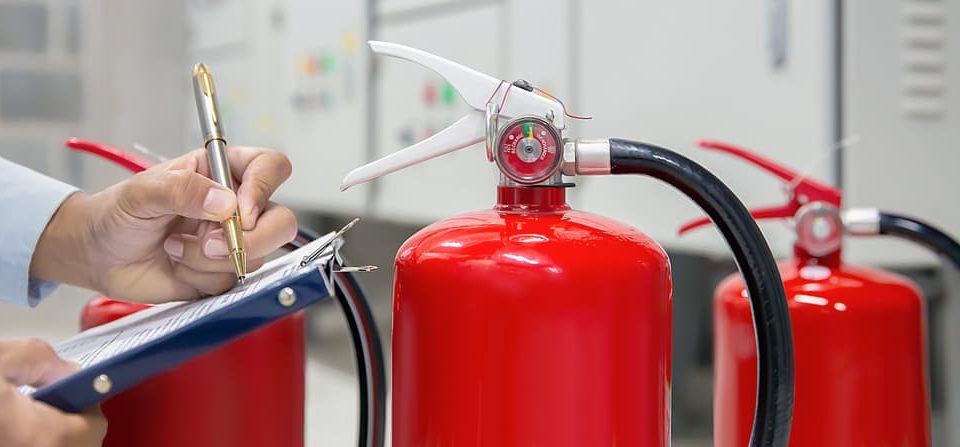
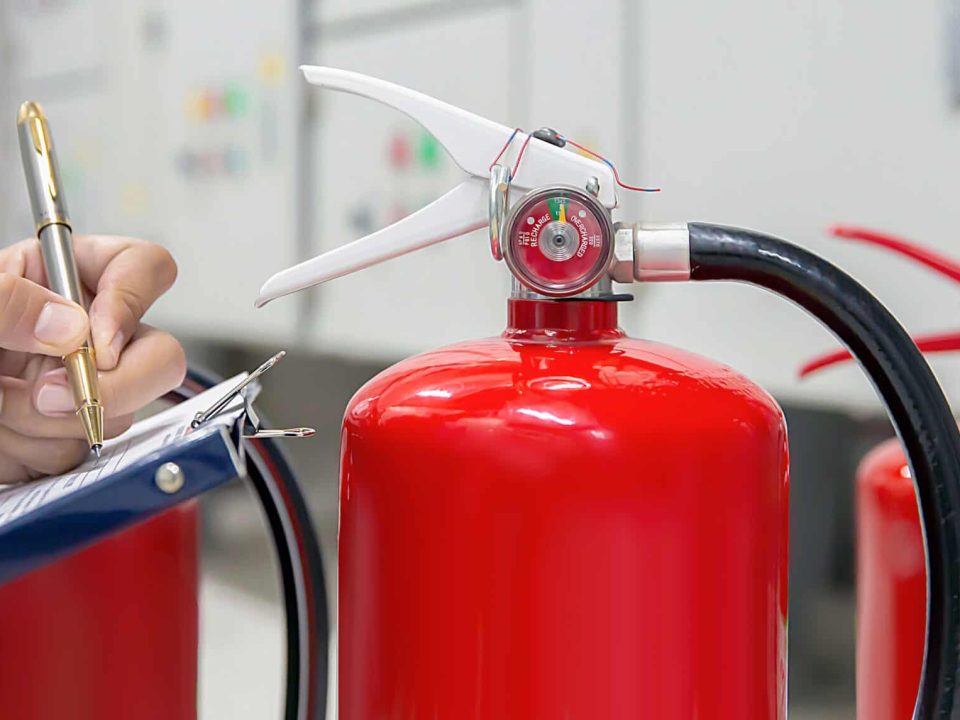
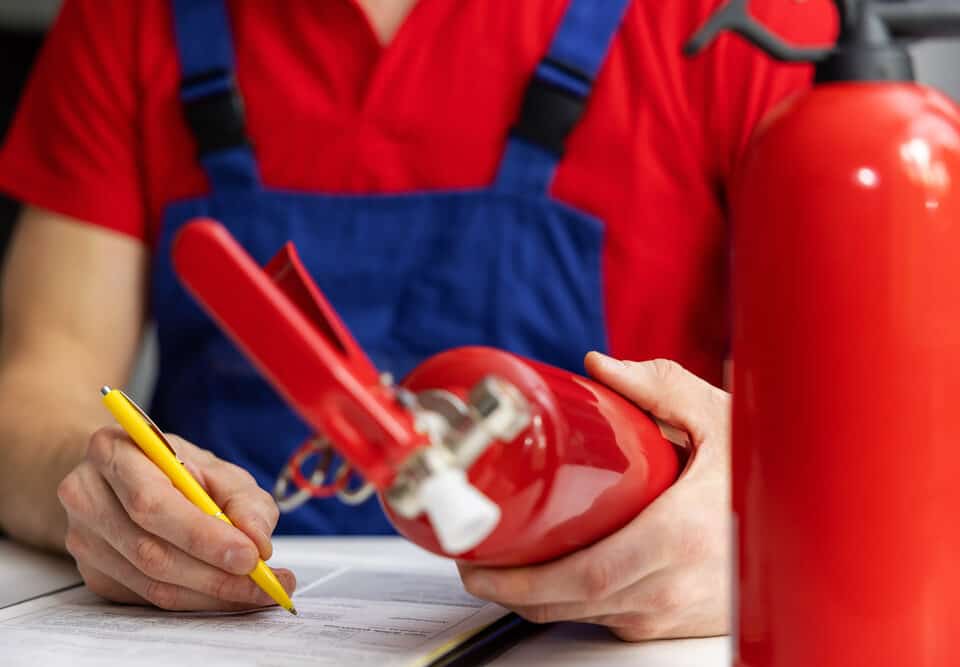
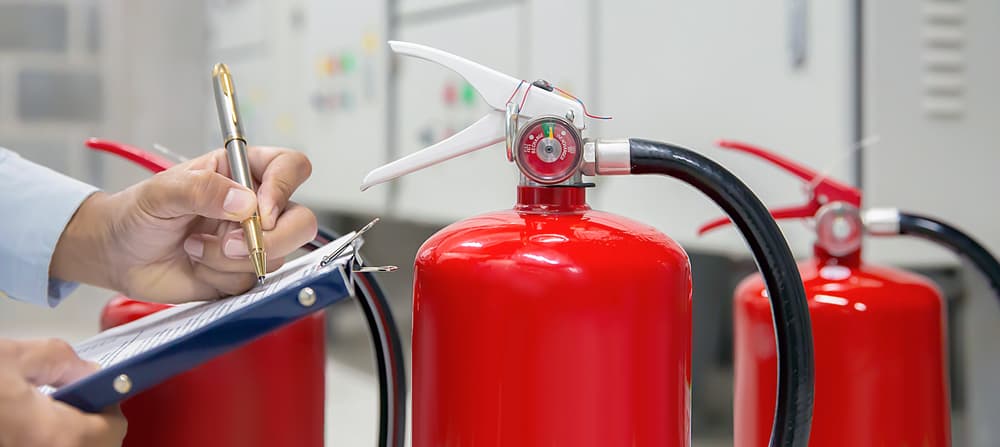
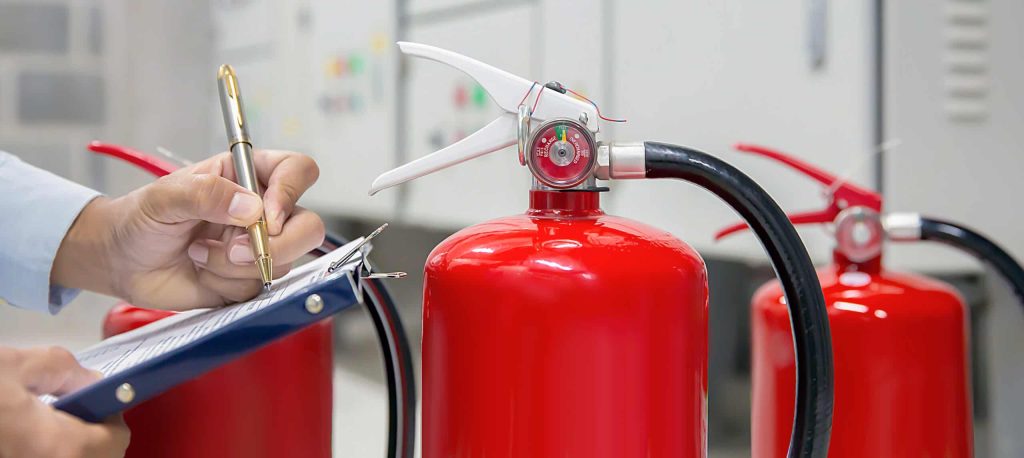
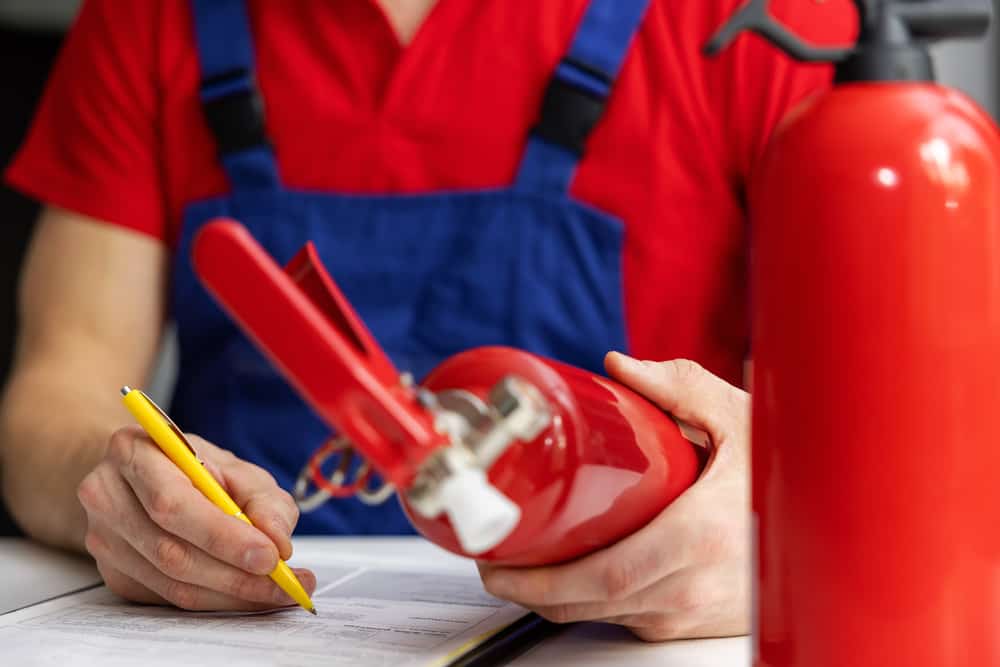
Monthly fire extinguisher inspection requirements add another layer. Building staff needs to conduct visual checks ensuring extinguishers are accessible, properly pressurized, and show no signs of damage. These monthly checks don’t require professional certification, but they do need documentation. Fire marshals want to see that you’re actively monitoring your equipment, not just paying for an annual inspection and forgetting about it for the rest of the year.
Fire extinguisher testing goes beyond basic inspections. Every six years, extinguishers need internal examination and recharging. Every 12 years, they require hydrostatic testing to verify the cylinder can still handle pressure safely. These maintenance intervals aren’t optional—they’re mandated by NFPA 10 standards and enforced by Nassau County fire codes.
Related posts