
Placement Matters: Where to Install Fire Extinguishers in Commercial Buildings
February 16, 2026
Summary:
Fire Extinguisher Lifespan: The Real Timeline
Most fire extinguishers have a general lifespan of 10-12 years, but the actual timeline depends on several factors you might not expect. The type of extinguisher, how it’s maintained, and even where it’s stored all play a role in determining when replacement becomes necessary.
Disposable fire extinguishers typically last 10-12 years from their manufacture date. Rechargeable models can serve up to 15 years with proper maintenance, but they require recharging every six years to stay effective. The key difference isn’t just about time—it’s about how well the internal components hold up under pressure and environmental conditions.
Your fire extinguisher’s environment matters more than you might think. High humidity, temperature extremes, or exposure to corrosive substances can shorten its lifespan significantly, regardless of what the manufacturer’s timeline suggests.
How to Find Your Fire Extinguisher's Age
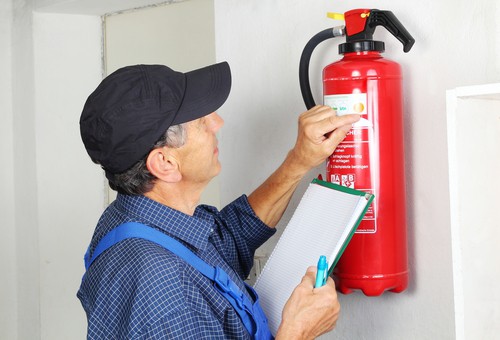
Finding the manufacture date on your fire extinguisher isn’t always obvious, but it’s crucial for determining if replacement is due. The date is typically stamped into the metal cylinder, printed on the label, or marked on the bottom of the unit. Sometimes you’ll need to look under the plastic ring around the neck or beneath the plastic boot at the base.
For steel cylinders, the date stamp might be hidden in unexpected places. Check around the valve area, on the side of the cylinder, or even on the back where it’s not immediately visible. Some newer models use color-coded systems where a colored plug corresponds to a year of manufacture according to a chart on the extinguisher itself.
If you can’t locate a manufacture date anywhere on the unit, that’s often a red flag. Older extinguishers without clear dating should be inspected by a professional immediately. In some cases, the absence of proper dating indicates the unit predates current safety standards and should be replaced regardless of its apparent condition.
The manufacture date is more important than the purchase date because the extinguisher’s components begin aging from the moment they’re assembled, not when you bought it. An extinguisher that sat in a warehouse for two years before you purchased it has already used up part of its effective lifespan.
Signs Your Fire Extinguisher Has Expired
Even if your fire extinguisher hasn’t reached its theoretical expiration date, certain warning signs indicate it’s time for replacement or professional service. These red flags often appear before the official timeline expires, especially in challenging environments.
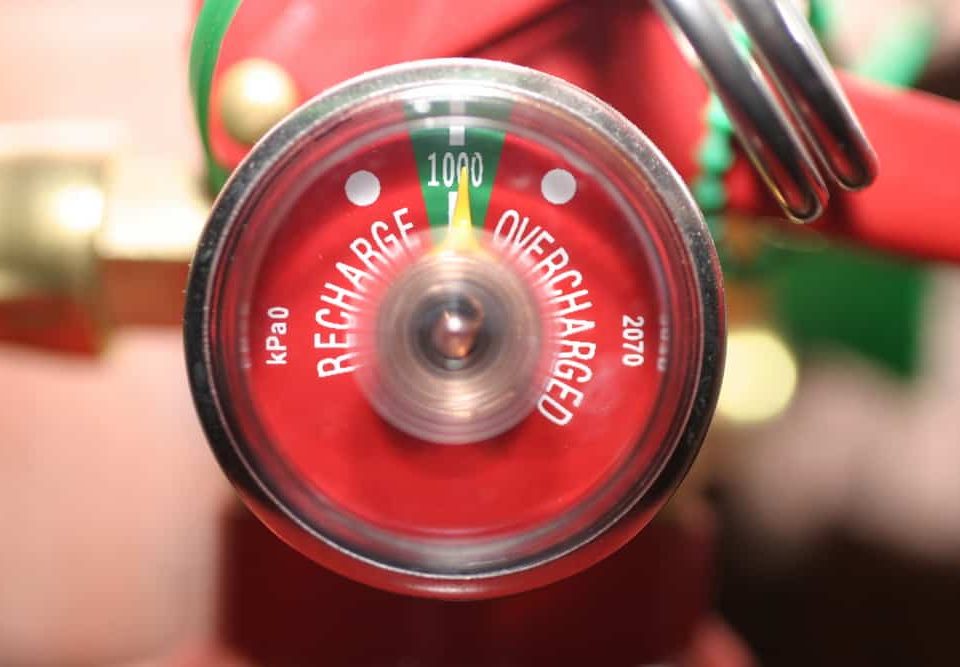
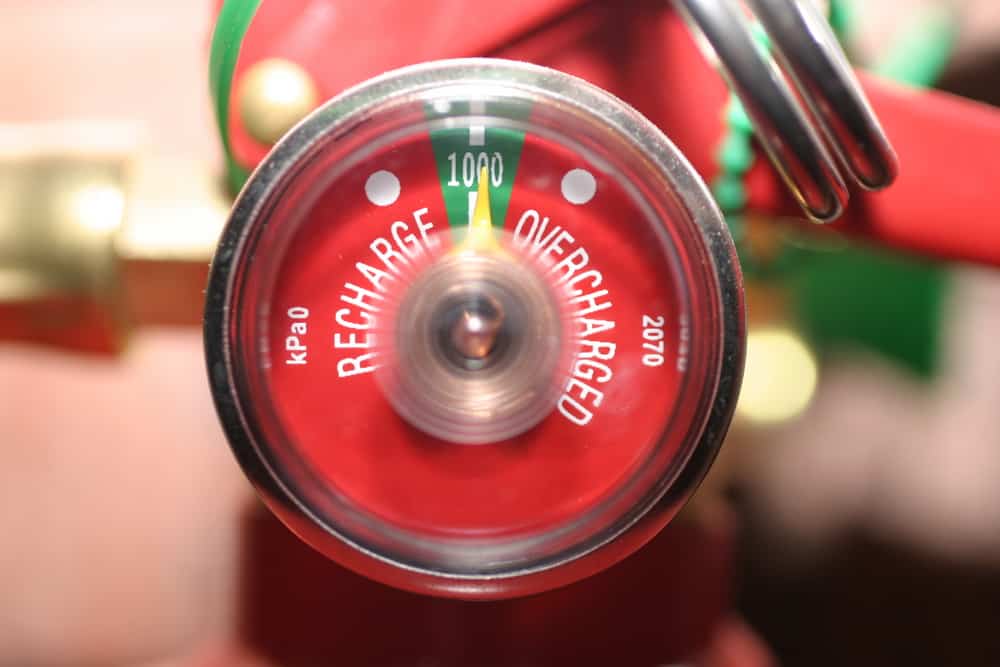
Physical damage is the most obvious concern. Look for rust, dents, corrosion, or any visible wear that could compromise the cylinder’s integrity. A damaged extinguisher isn’t just ineffective—it can be dangerous. Pressure gauge readings outside the green zone indicate the unit has lost pressure and won’t function properly during an emergency.
Check the tamper seal and safety pin regularly. If either is broken or missing, the extinguisher may have been used or tampered with, making it unreliable. The inspection tag should also be current and legible. An outdated tag often means the unit hasn’t received required professional maintenance.
Pay attention to the extinguishing agent itself. Dry chemical powder can settle and compact over time, making it difficult to discharge properly. Water-based extinguishers can develop internal corrosion, while CO2 units may lose gas through degraded seals. These issues can develop well before the official expiration timeline, particularly in harsh environments like basements, garages, or industrial settings.
The weight of your extinguisher can also provide clues about its condition. If it feels noticeably lighter than expected, it may have lost pressure or extinguishing agent. Professional inspection can determine whether recharging is sufficient or if complete replacement is necessary.
New York Fire Extinguisher Inspection Requirements
New York State has specific requirements for fire extinguisher maintenance that go beyond simple expiration dates. Understanding these regulations is crucial for Long Island property owners who want to avoid violations and ensure their equipment actually works when needed.
Monthly visual inspections are required for all commercial properties and many residential buildings with multiple units. These quick checks verify that extinguishers are in place, accessible, and show proper pressure readings. Annual professional inspections by certified technicians are mandatory and must be documented with proper tags and records.
The six-year maintenance requirement is particularly important in New York. Stored pressure extinguishers must be discharged and undergo internal examination every six years, regardless of their apparent condition. This isn’t optional—it’s required by state law and helps identify internal problems that aren’t visible from the outside.
Nassau vs Suffolk County Compliance Differences
Long Island property owners face a unique challenge because Nassau and Suffolk Counties have different approaches to fire safety compliance. Understanding these differences is essential for businesses with multiple locations or property owners managing facilities across county lines.
Nassau County operates under a centralized system overseen by the Nassau County Fire Commission. This creates uniform fire safety standards throughout the county, making compliance more predictable for businesses. The Fire Marshal’s Office conducts regular inspections and ensures adherence to both state and county-specific regulations. For property owners, this means consistent requirements regardless of which Nassau County municipality you’re in.
Suffolk County takes a more decentralized approach with 109 volunteer fire departments operating independently under local fire districts. This allows individual towns and villages to adopt additional fire safety codes beyond state requirements, tailored to their specific needs. While this flexibility can benefit some properties, it also means compliance requirements can vary significantly from one Suffolk County location to another.
For businesses operating in both counties, this difference creates complexity in fire safety planning and execution. A fire extinguisher maintenance schedule that satisfies Nassau County requirements might not meet the enhanced standards adopted by certain Suffolk County municipalities. Property managers need to understand the specific requirements for each location rather than assuming county-wide uniformity.
The practical impact extends to inspection scheduling, documentation requirements, and even the types of extinguishers preferred by local authorities. Some Suffolk County districts have adopted stricter maintenance intervals or specific equipment standards that exceed state minimums, while Nassau County’s centralized approach provides more consistent baseline requirements.
Professional Inspection and Maintenance Requirements
New York law requires that fire extinguisher inspections and maintenance be performed by certified professionals, not just any handyman or facility manager. This requirement exists because proper fire extinguisher service involves specialized knowledge of pressure systems, extinguishing agents, and safety protocols that untrained individuals often lack.
Annual inspections must include detailed examination of all mechanical parts, verification of proper pressure levels, and assessment of the extinguishing agent’s condition. The technician checks valve operation, hose condition, and mounting hardware to ensure everything functions correctly. They also verify that the extinguisher type is appropriate for the specific fire hazards present in your location.
Hydrostatic testing represents the most intensive level of inspection, required every 5-12 years depending on the extinguisher type. This process involves pressurizing the cylinder with water or another fluid to ensure it can withstand the high-pressure conditions of actual use without failing. Approximately 5-10% of extinguishers fail hydrostatic testing due to cylinder degradation, emphasizing why this safety measure is crucial.
The documentation requirements are equally important. Professional inspections must be recorded with proper certification tags, and these records must be maintained for compliance audits. Failure to maintain proper documentation can result in violations even if the equipment is actually in good condition. Insurance companies also often require proof of professional maintenance to honor claims related to fire damage.
Many property owners underestimate the liability risks associated with improperly maintained fire extinguishers. If an extinguisher fails during an emergency due to inadequate maintenance, property owners can face significant legal exposure beyond just the immediate fire damage. Professional service provides both the technical expertise and the documentation necessary to demonstrate due diligence in fire safety management.
When to Replace vs Recharge Your Fire Extinguisher
Knowing whether your fire extinguisher needs replacement or just recharging can save you money while ensuring proper protection. The decision depends on the unit’s age, condition, and maintenance history rather than just whether it’s been used.
Rechargeable extinguishers that are well-maintained and haven’t reached their maximum lifespan often just need recharging after use or when pressure drops. However, units approaching 10-12 years old should generally be replaced even if they appear functional. Disposable extinguishers should always be replaced after any use or when they reach 12 years from manufacture.
If you’re dealing with expired or questionable fire extinguishers in your Long Island property, we can help you determine the best course of action. With over a decade of experience serving the area, we understand both the technical requirements and local compliance standards that keep your property protected and code-compliant.