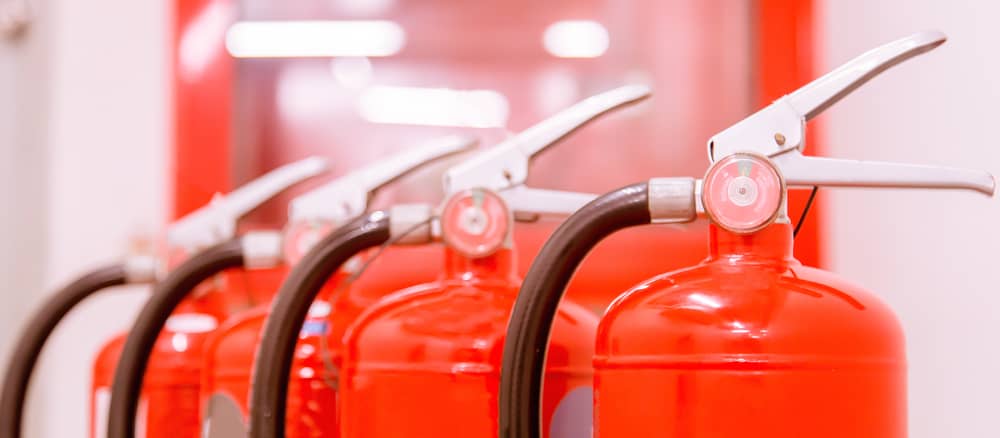

Get Your Fire Extinguisher Recharge Service in Staten Island, NY
November 24, 2025
Ensure Safety with Fire Extinguisher Installation in Queens, NY
December 1, 2025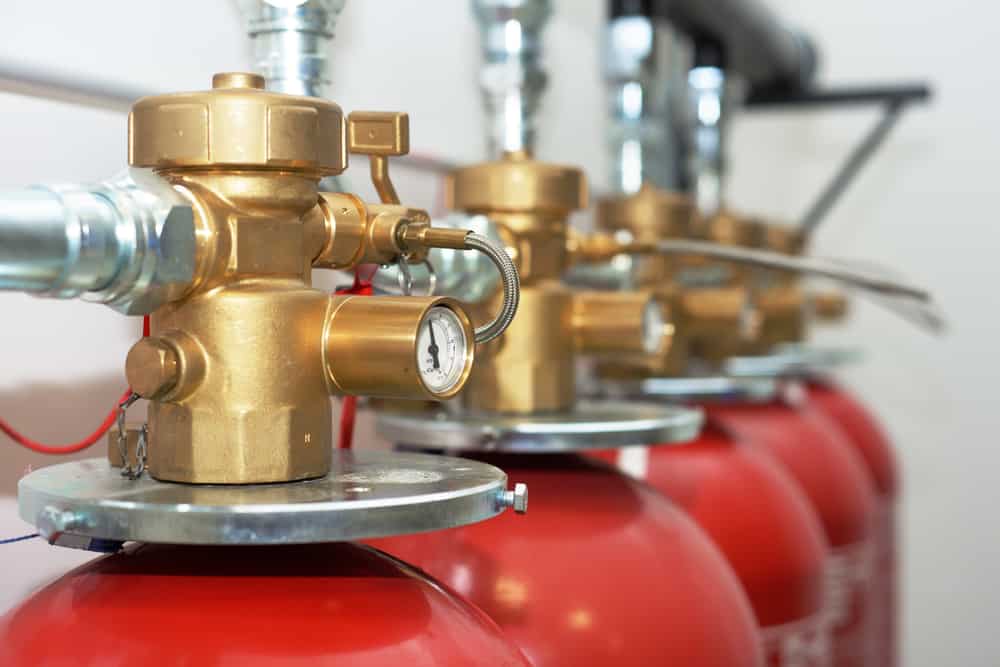
Your Nassau County business faces serious risks every day, but fire doesn’t have to be one of them. Between FDNY inspections, changing regulations, and the real threat of costly violations, choosing the right fire suppression system feels overwhelming. You need a solution that protects your people, your property, and your bottom line—without the headaches. Here’s what you need to know about finding fire suppression systems that actually work when you need them most.
Fire Suppression System Requirements for Nassau County Businesses
Nassau County businesses must meet specific FDNY requirements that go far beyond basic fire extinguishers. The regulations vary dramatically based on your building type, square footage, and business operations.
Commercial kitchens need UL300 wet chemical systems. Office buildings require different coverage than warehouses. Even your building’s age affects which systems you’re required to install.
The S-17 regulation changes everything too. Since July 2023, only certified technicians can service specific equipment brands. Getting this wrong means violations, fines, and potential shutdowns during your busiest seasons.
What Makes a Fire Suppression System FDNY Compliant
FDNY compliance isn’t just about having the right equipment—it’s about proper installation, regular maintenance, and documented inspections. Your system needs to meet current building codes while addressing your specific fire risks.
Water-based sprinkler systems work great for most commercial spaces, but they’re not always the answer. Data centers and electrical rooms need clean agent systems that won’t damage sensitive equipment. Commercial kitchens require specialized wet chemical systems designed for grease fires.
The key is matching your system to your actual risks. A restaurant in Hempstead faces different challenges than a warehouse in Garden City. Your fire suppression system should reflect those differences.
Installation matters just as much as equipment selection. Improperly installed systems fail when you need them most. They also create liability issues that could shut down your business during inspections.
Professional installation ensures your system meets manufacturer specifications and local codes. It also provides the documentation you’ll need during FDNY inspections. This isn’t the time to cut corners or trust inexperienced contractors.
Cost Considerations for Nassau County Fire Suppression Systems
Fire suppression system costs vary widely based on your building size and complexity. New construction typically runs $1-2 per square foot for basic sprinkler systems. Retrofitting existing buildings costs $2-7 per square foot due to additional labor and materials.
Commercial kitchen systems represent a different investment entirely. Basic hood suppression systems start around $1,200 for small setups. Larger commercial kitchens often require $4,500-7,500 systems with more extensive coverage.
Don’t let sticker shock drive your decision though. The real cost comparison includes potential fire damage, insurance premiums, and violation penalties. Buildings with proper fire suppression suffer 50% less property damage during fires.
Insurance companies recognize this value too. Properties with comprehensive fire suppression systems save up to 13% on annual premiums. Those savings add up quickly, especially for larger commercial properties.
The S-17 certification requirements also affect ongoing costs. Only properly certified technicians can service your equipment now. This specialization often costs more, but it ensures your system stays compliant and functional.
Fire Extinguisher Integration and Maintenance Requirements
Fire suppression systems work best when integrated with proper fire extinguisher placement and maintenance. FDNY regulations require specific extinguisher types and locations based on your business operations and building layout.
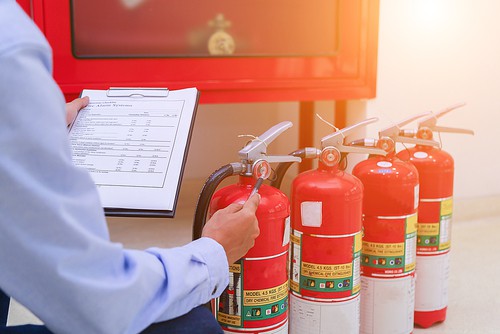
Monthly visual inspections catch obvious problems before they become violations. Annual professional inspections ensure everything meets current standards. This isn’t optional—it’s required for maintaining your business license and insurance coverage.
Professional Installation vs DIY Fire Suppression
Professional installation isn’t just recommended for fire suppression systems—it’s required for FDNY compliance. Licensed contractors understand local codes, permit requirements, and inspection procedures that DIY installations miss.
Master Fire Suppression Piping Contractors must pass written exams and meet strict experience requirements. They also carry proper insurance and licensing that protects your business during installation and future inspections.
Permit filing alone requires professional expertise. Fire suppression systems need approval from both the Fire Department and Department of Buildings. The paperwork is complex, and mistakes cause expensive delays.
Professional installers also provide the documentation you’ll need during inspections. They understand manufacturer specifications, testing procedures, and maintenance requirements that keep your system compliant.
The liability protection matters too. Professional installation includes warranties and insurance coverage that DIY projects can’t match. When your business depends on fire safety compliance, that protection is essential.
Ongoing Maintenance and Inspection Schedules
Fire suppression systems require regular maintenance to stay functional and compliant. Monthly inspections check basic system components for damage or obstruction. Quarterly testing ensures detection systems work properly.
Annual inspections are more comprehensive. They include pressure testing, component replacement, and full system evaluation. Five-year inspections require even more detailed testing and documentation.
Commercial kitchen systems need semi-annual inspections due to grease buildup and heavy use. These inspections check nozzles, piping, and chemical supplies that could affect system performance.
Skipping maintenance creates serious problems. Systems that aren’t properly maintained fail during emergencies. They also generate violations during FDNY inspections that can shut down your business.
Professional maintenance companies track inspection schedules and provide automatic reminders. They also handle the documentation and reporting that FDNY inspections require. This takes the administrative burden off your team while ensuring compliance.
The S-17 certification requirements make professional maintenance even more important. Only certified technicians can service specific equipment brands now. Trying to handle maintenance internally often creates compliance violations.
Choosing the Right Fire Suppression Partner in Nassau County
The right fire suppression partner understands Nassau County’s unique requirements and provides comprehensive service from installation through ongoing maintenance. We offer emergency response, professional certifications, and transparent pricing.
Look for companies with proper licensing, insurance, and local experience. We understand FDNY regulations and provide the documentation you need during inspections. Most importantly, we’re available when emergencies happen.
Your business deserves fire protection that works when you need it most. M&M Fire Extinguishers Sales & Services, Inc. provides the expertise and reliability Nassau County businesses trust for complete fire suppression solutions.