
Why 2026 is the Year of Sustainability: The Environmental Benefits of a Fire Extinguisher Recharge
March 12, 2026
Fire Extinguisher Installation for EV Garages: Protecting Your Home from Lithium-Ion Risks
March 14, 2026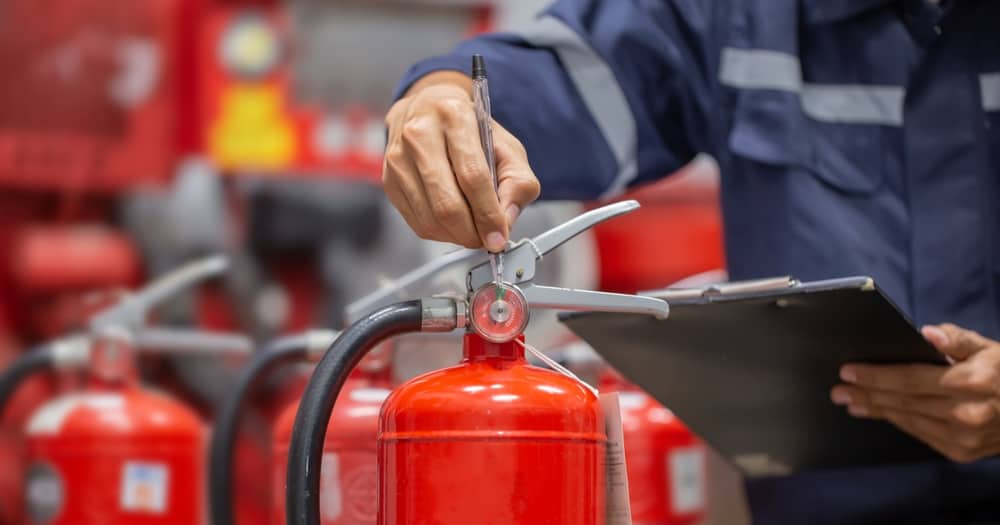
Summary:
What Professional Fire Extinguisher Installation Includes
Professional fire extinguisher installation goes beyond screwing a bracket into drywall. It starts with understanding your home’s specific fire risks and ends with documentation that proves your equipment meets New York State requirements.
When we install fire extinguishers in Long Island homes, we evaluate room layouts, identify high-risk areas, and ensure every unit sits at the proper mounting height. We check wall integrity to support the weight. We confirm you have the right extinguisher type for each location.
This isn’t about upselling services you don’t need. It’s about the difference between equipment that functions correctly during an emergency and equipment that fails because nobody checked if your wall studs could handle a 10-pound extinguisher or if your kitchen unit can actually handle grease fires.
Fire Extinguisher Mounting Height Requirements You Need to Know
Here’s where most DIY installations go wrong: mounting height. It seems like a minor detail until you realize that an improperly mounted extinguisher creates accessibility problems that defeat the entire purpose of having one.
For extinguishers weighing 40 pounds or less, the top of the unit cannot sit more than 5 feet above the floor. Heavier extinguishers—those over 40 pounds—need to be mounted with the top no higher than 3.5 feet from the floor. The bottom of every extinguisher must sit at least 4 inches off the ground, regardless of weight.
These aren’t arbitrary numbers. They’re based on accessibility standards that account for different users’ physical capabilities and the reality that during a fire emergency, you need to grab that extinguisher quickly without stretching, climbing, or bending in ways that waste precious seconds.
We bring measuring tools and mounting hardware designed specifically for fire extinguisher installation. We’re not eyeballing the height or using whatever screws happened to be in your junk drawer. We install brackets rated for the weight of your specific extinguisher model, anchor into wall studs when necessary, and ensure the handle sits exactly where it should for fast access.
Wall type matters too. Drywall alone won’t support heavier extinguishers. Mounting into studs provides the stability needed to keep your extinguisher securely in place, even in homes where kids might bump into it or doors swing near the installation point. We assess your walls before drilling, checking for hidden electrical wiring or plumbing that could turn a simple installation into a costly mistake.
And here’s what homeowners often miss: the location you think makes sense might not meet travel distance requirements. Fire codes specify maximum distances between extinguishers and potential fire sources. Your kitchen extinguisher needs to be within 30 feet of cooking equipment, but not so close to the stove that flames block your access to it. That balance requires experience to get right.
Fire Extinguisher Placement for Kitchen Fire Protection
Your kitchen is where most home fires start. Cooking causes half of all residential fires, and unattended cooking equipment is the leading factor in those incidents. That makes your kitchen fire extinguisher the most critical piece of fire safety equipment in your home.
But here’s the placement mistake that puts families at risk: mounting the extinguisher directly next to the stove. It seems logical—put the extinguisher closest to where fires happen. Except when grease ignites and flames shoot up from your cooktop, that extinguisher becomes unreachable. You can’t safely grab equipment that requires you to reach through fire.
Professional installation positions kitchen extinguishers near the exit of the room, typically by the doorway. This placement gives you access to the extinguisher without having to approach the fire first. It also provides a clear escape route if the fire is too large to handle or if your extinguishing attempt doesn’t work.
The type of extinguisher matters just as much as placement. Kitchen fires involve grease, oil, and cooking materials that don’t respond to every extinguisher type. Class K extinguishers are designed specifically for cooking fires, while ABC extinguishers handle multiple fire types including grease. Using a water-based extinguisher on a grease fire can actually spread the flames.
We assess your cooking setup before recommending extinguisher types. Do you have a gas range or electric? How often do you deep fry? Is your kitchen open to other rooms, or is it a contained space? These factors influence both the extinguisher type you need and where it should be mounted.
Nassau County and Suffolk County have slightly different enforcement approaches to fire safety codes, which means what’s acceptable in one Long Island location might not meet requirements in another. We know these local variations and ensure your installation passes inspection regardless of which fire district serves your home.
Kitchen fire extinguishers also need to be visible and clearly marked. If guests are in your home when a fire starts, they need to locate your extinguisher immediately. Mounting in a cabinet might keep it out of sight, but it also means anyone unfamiliar with your kitchen won’t find it quickly. We balance aesthetics with accessibility, often recommending visible mounting with clear signage.
Why DIY Fire Extinguisher Installation Falls Short
The appeal of DIY fire extinguisher installation makes sense. You can buy an extinguisher at any hardware store, and mounting brackets usually come included. It feels like a straightforward weekend project that saves money on professional services.
But fire safety isn’t the place to learn through trial and error. Improper installation creates false confidence—you think you’re protected when you’re actually at risk. And unlike other home improvement mistakes that just look bad or need redoing, fire extinguisher installation errors can have life-threatening consequences.
DIY installations commonly miss code requirements that we check automatically. You might not know that your municipality requires specific extinguisher ratings, or that travel distances between extinguishers and fire hazards have maximum limits, or that certain rooms need particular extinguisher types.
Common DIY Installation Mistakes That Compromise Safety
The most frequent DIY mistake is using inadequate mounting hardware. Those plastic anchors that come with basic brackets aren’t designed to support a 10-pound extinguisher long-term, especially in homes where humidity, temperature changes, or simple wall degradation weakens the hold. When the extinguisher falls—and it will—it might damage the unit’s pressure seal or discharge valve, rendering it useless without obvious signs of failure.
Incorrect mounting height is another widespread issue. Homeowners often mount extinguishers wherever feels convenient—under the sink, in a high cabinet, on a garage shelf. But fire codes specify mounting heights for good reason. An extinguisher stored under your sink isn’t mounted at all, and one placed above 5 feet violates accessibility standards. During inspections, these violations result in citations and requirements to reinstall properly.
Blocking access seems obvious to avoid, yet it happens constantly. You mount the extinguisher correctly, then over time, furniture gets rearranged, storage accumulates, or seasonal decorations end up in front of it. We consider your home’s traffic patterns and typical usage before selecting mounting locations, choosing spots that are unlikely to become obstructed even as your living situation changes.
Wrong extinguisher types for specific hazards put you at serious risk. Not all extinguishers handle all fires. Using a Class A extinguisher designed for wood and paper fires on an electrical fire can result in electrocution. Using any water-based extinguisher on a grease fire spreads the flames. Homeowners buying extinguishers without professional guidance often choose based on price or size rather than the specific fire risks in each room.
Missing annual inspection requirements is perhaps the costliest DIY oversight. New York State requires annual inspections by certified professionals. These inspections check pressure levels, examine for physical damage, verify the extinguisher hasn’t been discharged, and confirm all seals remain intact. DIY installations often skip this ongoing maintenance, leaving homeowners with extinguishers that look fine but won’t function in an emergency.
And here’s what most people don’t realize: fire extinguishers require internal examination every six years and hydrostatic testing every 12 years depending on type. These aren’t optional services—they’re legal requirements. We track these schedules and notify you when service is due. DIY installations leave you responsible for remembering maintenance intervals you probably didn’t know existed.
The Hidden Costs of Improper Fire Extinguisher Setup
Insurance companies care about fire extinguisher installation more than most homeowners realize. When you file a claim after a fire, insurers examine whether you maintained proper fire safety equipment. DIY installations that don’t meet code requirements can complicate claims or even result in coverage denials if the insurer determines your negligence contributed to the damage.
Some insurance providers offer premium discounts for homes with professionally installed and maintained fire safety equipment. You lose these savings with DIY installations that can’t be verified or documented properly. The money you save skipping professional installation costs you more in higher premiums over time.
Legal liability becomes an issue if someone gets injured in a fire at your home and investigations reveal your fire extinguishers weren’t properly installed or maintained. New York State holds property owners responsible for maintaining safe conditions, and fire safety equipment that doesn’t meet code standards exposes you to liability you could have avoided with professional installation.
Failed inspections cost time and money. When fire marshals or building inspectors cite violations, you’re not just paying fines—you’re paying for professional installation that should have been done correctly initially. Some municipalities require reinspection after corrections, adding more fees and scheduling complications to a problem that proper installation would have prevented.
Property value considerations matter too. When selling your home, buyers’ inspectors check fire safety equipment. Improperly installed extinguishers raise red flags about overall home maintenance and can become negotiating points that reduce your selling price. Professional installation with proper documentation demonstrates responsible homeownership that reassures buyers.
The biggest hidden cost is the one you hope never to pay: the cost of a fire that could have been stopped if your extinguisher had been properly installed and maintained. Home fires cause billions in property damage annually, but beyond the financial loss, there’s the irreplaceable loss of family heirlooms, photographs, and the sense of security that comes from knowing your home is truly protected.
Professional fire extinguisher installation costs a fraction of what you’d spend replacing belongings after even a small fire. It’s not an expense—it’s insurance that your fire safety equipment will actually work when seconds determine whether a small kitchen fire stays contained or destroys your home.
Getting Fire Extinguisher Installation Right in Long Island Homes
Fire extinguisher installation isn’t complicated, but it requires knowledge of codes, experience with different home layouts, and understanding of how fire risks vary by room. Professional installation ensures your equipment meets New York State requirements, sits at proper mounting heights, and gets positioned where it’ll be accessible during the emergencies you hope never happen.
The difference between DIY and professional installation isn’t about whether you’re capable of drilling holes and hanging brackets. It’s about whether your installation accounts for travel distances, mounting specifications, extinguisher type requirements, wall load capacity, local code variations, and ongoing maintenance schedules that keep your equipment functional year after year.
Your family’s safety deserves more than guesswork and YouTube tutorials. It deserves the confidence that comes from knowing certified professionals evaluated your home’s specific fire risks and installed equipment designed to address them. At M&M Fire Extinguishers Sales & Services, Inc., we bring over a decade of expertise and local knowledge to protect homes throughout Long Island, NY, Nassau County, Suffolk County, and the surrounding areas with professional fire extinguisher installation, inspection, service, and maintenance.