Fire Extinguisher for Electrical Fire: Class C
June 11, 2026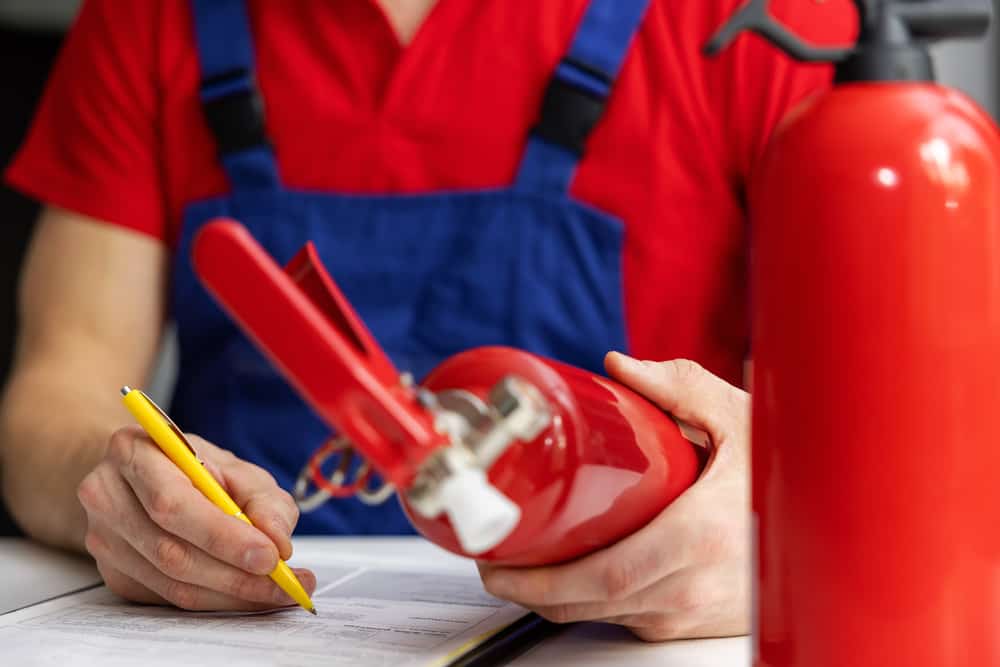
Summary:
Summer in Nassau County means more than just heat and humidity. It means your electrical system is working overtime. Your AC units are running constantly. You might have outdoor events, temporary installations, or construction happening. And all of it increases your fire risk right when your business can least afford downtime.
Most business owners don’t think about fire safety until an inspector shows up or something goes wrong. But summer is actually the time to get ahead of problems—before the fall inspection season, before a violation shuts you down, before a small issue becomes a big one. Here’s what needs to be on your radar right now.
Summer Fire Safety Equipment Checklist
Your fire safety equipment doesn’t take a break just because it’s summer. In fact, this is when it needs to work harder than ever.
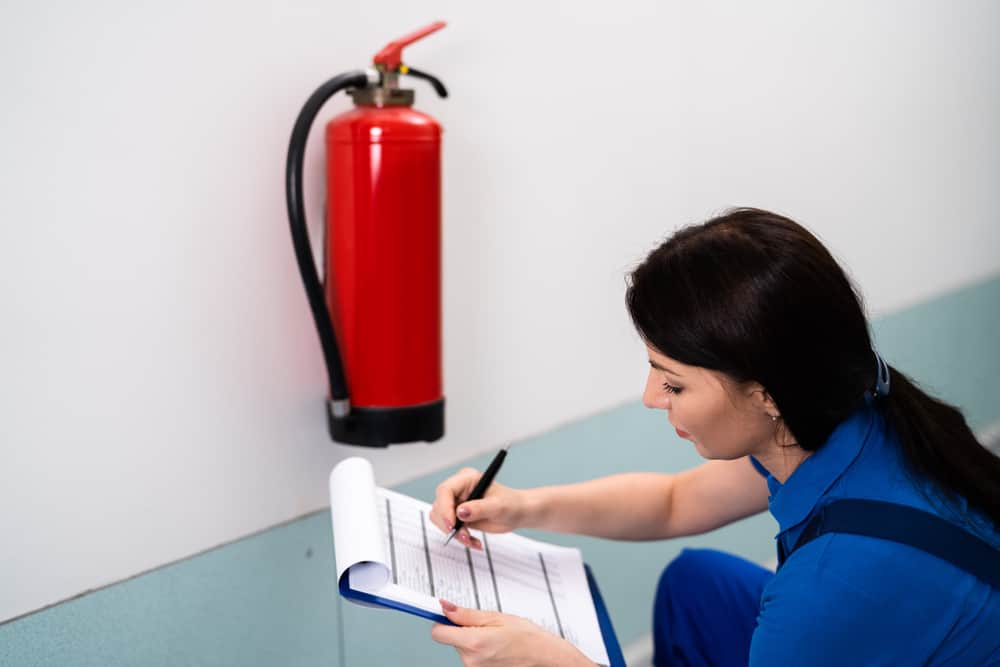
Start with your fire extinguishers. Every single one should have a current inspection tag dated within the last 12 months. If you’re approaching that annual mark or you’ve already passed it, you’re looking at potential violations and insurance issues. Nassau County fire marshals don’t give grace periods, and neither do insurance carriers.
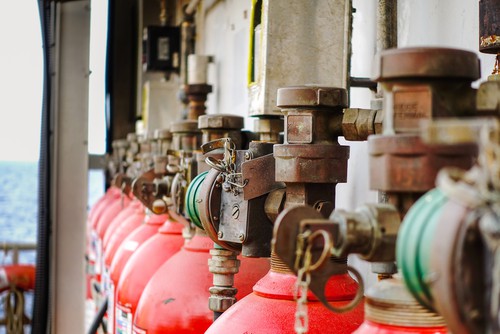
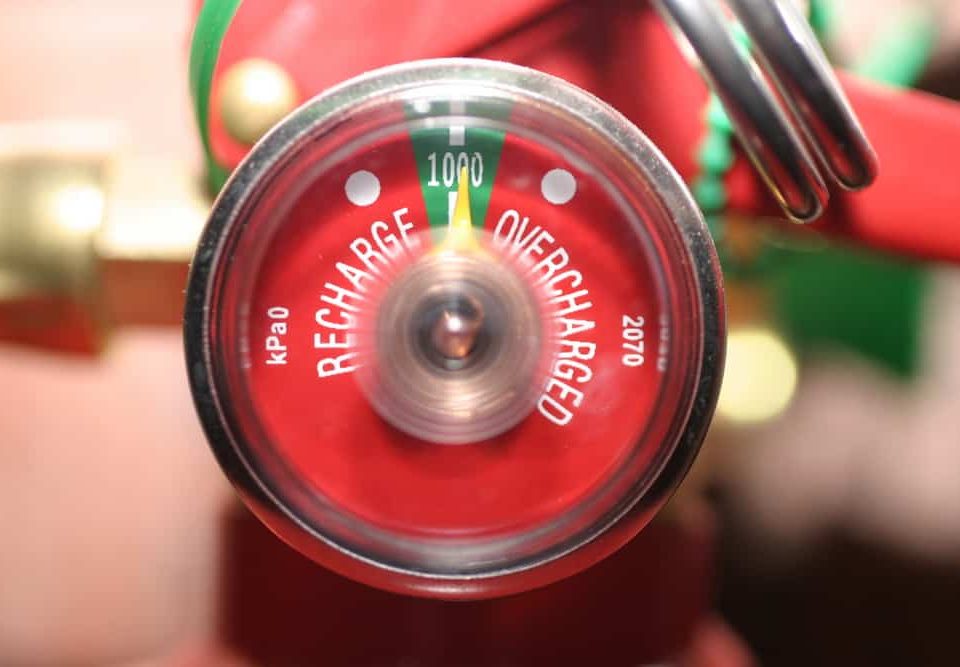
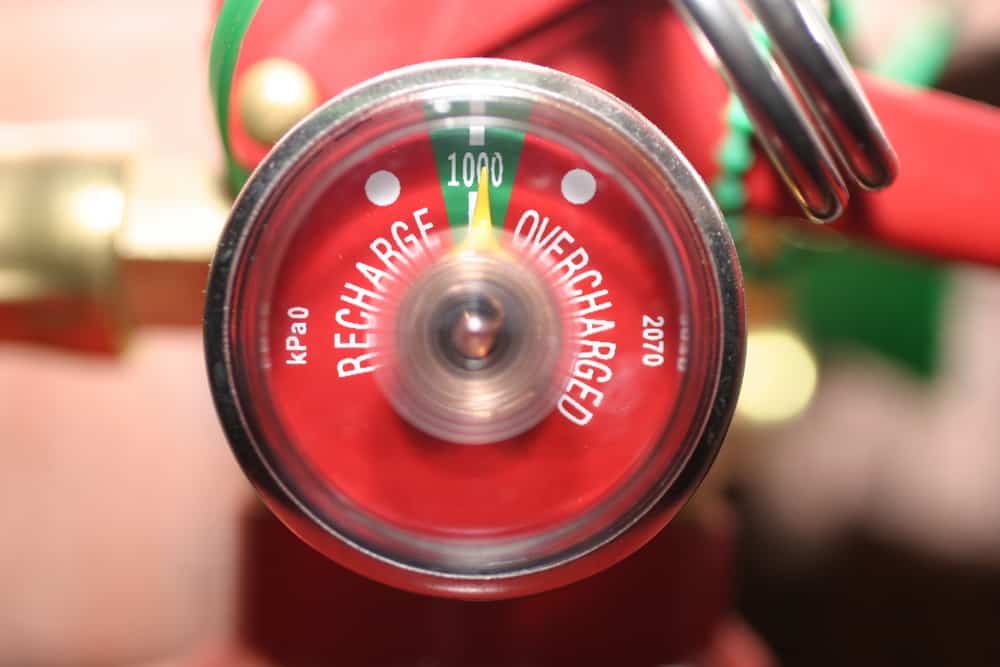
Check the pressure gauges. The needle should sit in the green zone. If it’s drifted into the red—either direction—that extinguisher isn’t reliable. Look for physical damage: dents, rust, corrosion, or a broken tamper seal. Any of these mean the unit needs professional attention before it fails when you actually need it.
Fire Extinguisher Inspection Requirements for Summer
OSHA and NFPA 10 standards require monthly visual inspections and annual professional maintenance. During summer, when your facility is busier and equipment is under more stress, those monthly checks become even more important.
Your monthly inspection should confirm each extinguisher is in its designated location, accessible, and shows no obvious signs of damage or tampering. The pull pin should be intact. The inspection tag should be current. The pressure gauge should read normal. This takes minutes per unit, but it’s what keeps you compliant and prepared.
The annual inspection is different. A licensed technician needs to perform a thorough examination, check internal pressure, test mechanical parts, and verify the chemical agent is viable. In Nassau County, NY, this isn’t optional—it’s mandated by local fire code and required by your insurance policy. The technician will attach a dated tag showing when the inspection occurred and when the next one is due.
Beyond annual inspections, stored pressure extinguishers require internal maintenance every six years. At the 12-year mark, they need hydrostatic testing to confirm the cylinder can handle pressure safely. If your extinguishers are approaching these intervals, summer is the time to schedule service before fall inspection season creates a backlog.
Don’t forget about your other fire safety systems. Sprinkler systems, alarm systems, smoke detectors, and emergency lighting all need verification that they’re operational. Summer heat can affect sensor sensitivity. Dust and debris from increased activity can obstruct detection equipment. A quick check now prevents failures later.
What Happens If Your Fire Safety Equipment Fails Inspection
Failed equipment creates immediate problems. First, you’re out of compliance with Nassau County fire codes. Second, your insurance coverage could be compromised. Third, if an inspector discovers the issue, you’re facing fines that range from $300 to $1,000 per extinguisher—and potential closure until you fix the problem.
The FDNY and Nassau County Fire Marshal don’t schedule inspections around your convenience. They show up, and if your equipment isn’t tagged and functional, you’re getting written up. During summer, when your business is likely running at capacity, that’s the last thing you need.
If an extinguisher fails inspection, it needs immediate service or replacement. A certified technician can often recharge and recertify units on-site, but if there’s structural damage or the unit has exceeded its service life, replacement is the only option. The key is addressing this before an inspector finds it.
Here’s what most business owners don’t realize: when extinguishers are removed for service, you need equivalent protection in place. That means temporary units or alternative coverage until your equipment is back in service. A reputable fire safety company will provide loaners so you’re never left unprotected or non-compliant.
Summer is also when you’re most likely to actually use a fire extinguisher. Overheated equipment, electrical issues from AC overload, or outdoor cooking at company events all create real fire scenarios. If your extinguisher has been sitting with low pressure or expired certification, it might not work when someone reaches for it. That’s not a compliance issue—that’s a safety crisis.
Workplace Fire Safety During Peak Season
Summer changes how your workplace operates. More people, more equipment running, more activity overall. Each of those factors increases fire risk in ways that aren’t obvious until something goes wrong.
Electrical systems take the biggest hit. Your AC units are running constantly, sometimes overloading circuits that handled normal loads just fine in spring. Add in fans, dehumidifiers, or temporary cooling equipment, and you’re asking your electrical infrastructure to perform beyond its design capacity. Overloaded circuits overheat. Overheated circuits cause fires.
Walk through your facility and look for warning signs. Outlets or switches that feel warm to the touch. Flickering lights. Breakers that trip repeatedly. Burning smells near electrical panels. Any of these indicate your system is struggling, and struggling electrical systems don’t get better on their own—they fail, often dramatically.
Fire Safety Training Requirements for Summer Staff
If you bring in seasonal employees or have high turnover, summer is when your fire safety training gaps become dangerous. New hires don’t automatically know where extinguishers are located, how to use them, or what to do when the alarm sounds.
OSHA requires that employees designated to use fire extinguishers receive hands-on training upon hire and annually thereafter. Even employees not designated as responders need to know basic fire safety procedures: how to recognize fire hazards, where the exits are, and what the evacuation plan requires them to do.
This isn’t about handing someone a pamphlet. Effective fire safety training means showing people where equipment is located, demonstrating how to operate a fire extinguisher using the PASS method (Pull, Aim, Squeeze, Sweep), and walking through evacuation routes so they know exactly where to go. It means explaining the difference between a small fire they might contain and a situation where immediate evacuation is the only safe response.
Summer also brings temporary installations—tents for outdoor events, pop-up retail spaces, construction zones. Each of these creates new fire hazards and changes your facility’s fire safety dynamics. Your staff needs to understand how these temporary situations affect evacuation routes, where fire safety equipment is positioned relative to new activity areas, and what additional hazards to watch for.
Don’t assume people know what to do. The National Fire Protection Association estimates that fires in non-residential structures caused 1,400 injuries, 150 deaths, and over $4 billion in property damage in 2022. Many of those incidents involved people who didn’t know how to respond effectively in the first critical minutes. Training prevents that confusion when seconds matter.
Summer-Specific Fire Hazards in Commercial Settings
Certain fire hazards are uniquely tied to summer operations. Understanding them helps you prevent incidents before they start.
Outdoor activities and events introduce open flames, cooking equipment, and temporary electrical setups. If you’re hosting a company barbecue, operating an outdoor seating area, or running a summer festival, you’re dealing with grease fires, propane tanks, and extension cords that weren’t part of your winter risk profile. Each requires specific fire safety considerations and appropriate extinguisher types nearby.
Construction and renovation projects ramp up in summer because weather conditions are favorable. But hot work—welding, cutting, soldering—creates sparks and heat that can ignite combustible materials. The NFPA reports that fire departments respond to over 4,600 structure fires involving hot work annually, with nearly 60% occurring in commercial properties. If you have contractors on-site, verify they’re following fire watch protocols and that fire safety equipment is positioned appropriately for the work being performed.
Increased foot traffic means more potential for blocked exits, obstructed fire safety equipment, and general congestion that complicates evacuation. Summer is when retail spaces get crowded, offices host more visitors, and warehouses see higher activity levels. Make sure your fire extinguishers remain visible and accessible. Verify exit routes aren’t blocked by seasonal displays, extra inventory, or temporary furniture arrangements.
Dry conditions and vegetation around your property can become fire hazards. Discarded cigarettes, sparks from equipment, or heat from exhaust vents can ignite dry grass or accumulated debris. Keep outdoor areas around your building clear of combustible materials. Maintain a buffer zone between your structure and any vegetation that could carry fire toward your property.
HVAC systems working overtime can malfunction. Overheating equipment, electrical shorts in AC units, or failures in cooling systems all create fire risks. Regular maintenance and monitoring of these systems during summer isn’t just about comfort—it’s about preventing equipment fires that start small and spread fast.
Preparing Your Nassau County Business for Fire Safety Compliance
Summer fire safety isn’t about checking boxes. It’s about making sure your business stays operational, your people stay safe, and you’re not scrambling when an inspector shows up or an emergency happens.
The seven items on this fire safety checklist—equipment inspection, employee training, electrical system monitoring, summer hazard management, documentation, evacuation planning, and professional service scheduling—give you a framework for staying ahead of problems. Address them now, before peak fall inspection season, and you’ll avoid the violations and shutdowns that catch unprepared businesses every year.
If you’re in Nassau County, NY or anywhere across Long Island and the Five Boroughs, we’ve been helping businesses manage fire safety for over 35 years at M&M Fire Extinguishers Sales & Services, Inc. We offer 24-hour emergency service when you need same-day violation removal, free on-site estimates to assess your current status, and comprehensive fire protection solutions that go beyond basic compliance. When fire safety matters, experience matters too.
Related posts