7 Critical Summer Fire Safety Checklist Items
June 16, 2026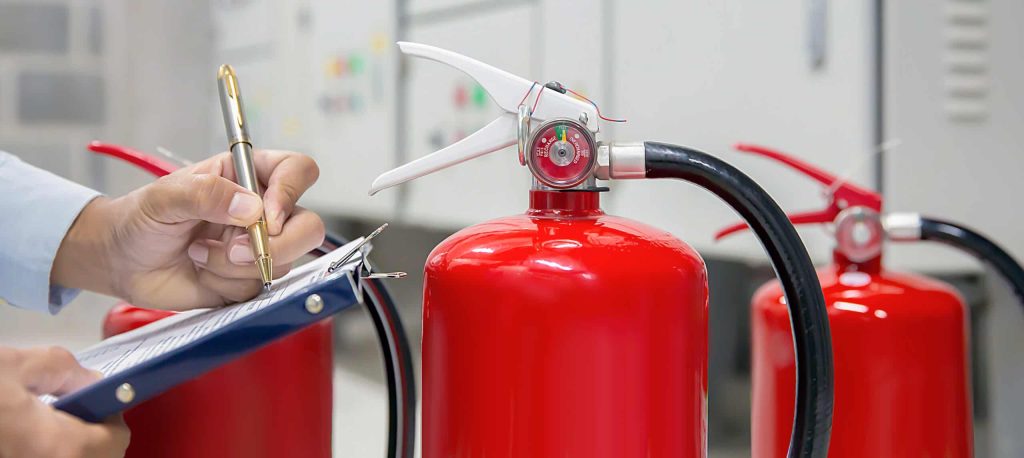
Summary:
You need fire safety equipment that works. Not equipment that sits on a wall collecting dust until an inspector shows up and writes you up for expired tags, improper placement, or systems that haven’t been serviced in years. The supplier you choose determines whether your fire protection is an asset or a liability. In Nassau County, where fire codes are enforced through a centralized commission and violations can shut down your operation, that choice matters more than you might think. This guide breaks down what to look for in fire safety equipment suppliers, how to verify they’re actually qualified to service your business, and why local expertise on Long Island makes a tangible difference in response times, compliance, and long-term costs.
What Makes Qualified Fire Protection Suppliers in Nassau County
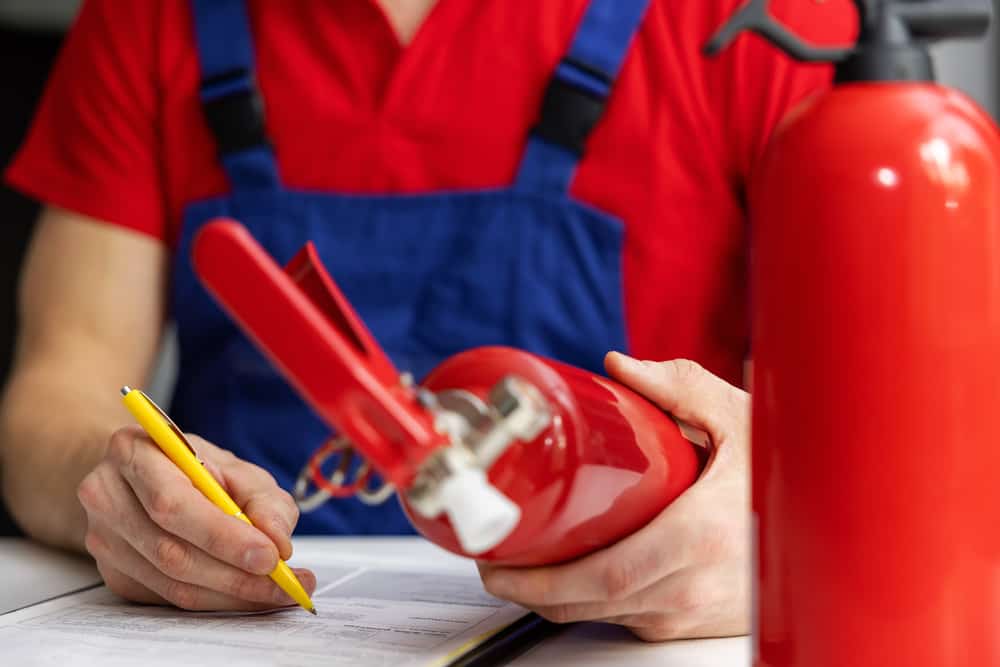
Not every company selling fire extinguishers is qualified to service them properly. And in Nassau County, that distinction can cost you. The difference between qualified fire protection suppliers and someone just moving product comes down to licensing, certification, and the ability to provide ongoing service.
Qualified suppliers carry proper FDNY licensing, maintain active NAFED membership, and employ certified technicians who can legally inspect and service fire protection equipment. They’re bonded and insured, which protects you if something goes wrong during installation or maintenance. They also understand Nassau County’s Fire Prevention Ordinance and can ensure your equipment meets both county and state requirements.
The best suppliers offer complete solutions—not just sales. That means installation, annual inspections, maintenance, recharging, and emergency service when equipment fails or violations need immediate attention. When one company handles everything, you avoid the coordination headaches and finger-pointing that happen when multiple vendors are involved.
Fire Safety Supplies: Certifications and Licensing That Actually Matter
Here’s what actually matters when you’re vetting fire safety supplies providers in Nassau County. First, verify FDNY approval. Companies servicing portable fire extinguishers in New York need FDNY company certificates. There are two types: servicing companies, which can sell, lease, and service equipment, and sales companies, which can only sell. If you need ongoing maintenance, you need a servicing company.
Next, check for NAFED certification. The National Association of Fire Equipment Distributors sets professional standards for the industry. NAFED-certified suppliers have demonstrated knowledge and commitment to quality that goes beyond minimum legal requirements. Their technicians often hold ICC/NAFED certifications for portable fire extinguishers, pre-engineered kitchen systems, or industrial systems.
Look for Certificate of Fitness credentials. In New York, technicians need specific certificates of fitness from the FDNY to perform certain types of fire protection work. Ask to see these credentials. Legitimate suppliers will have no problem providing proof.
Insurance and bonding matter more than most people realize. Comprehensive general liability coverage, property damage protection, and completed operations insurance protect you if installation or service work causes problems. Suppliers should carry substantial coverage—not the bare minimum.
Finally, verify local business licensing. Nassau County and individual municipalities may have additional requirements beyond state and FDNY licensing. Suppliers operating legally in Nassau County will have all necessary local permits and registrations current and available for review.
Don’t skip this verification step. Working with unlicensed suppliers puts your insurance coverage at risk, exposes you to fines from fire marshals, and can result in equipment that fails when you need it most. The few dollars you might save upfront aren’t worth the potential liability.
Why Local Nassau County Suppliers Respond Faster Than Regional Companies
Location matters more than you’d think when choosing fire safety equipment suppliers. A local Nassau County supplier can be on-site within hours when you discover an expired inspection tag before an audit, or when the fire marshal shows up unexpectedly. Regional or national companies might take days to schedule service calls, and they often don’t have the same familiarity with Nassau County’s specific fire code requirements.
Nassau County operates under a centralized fire safety model through the Nassau County Fire Commission. This creates uniform standards across the county, which differs from Suffolk County’s more decentralized approach. Local suppliers who work primarily in Nassau County understand these nuances. They know which specific equipment meets county standards, how inspections are conducted, and what documentation the fire marshal expects to see.
Response time becomes critical during emergencies. When you’re facing a violation that could shut down your business, or when equipment fails and needs immediate replacement, a supplier with a warehouse in Long Island City or elsewhere on Long Island can deliver same-day or next-day service. National suppliers shipping from distant warehouses can’t match that speed.
Local suppliers also build relationships with businesses over time. They remember your facility’s layout, know your equipment history, and can spot potential problems before they become violations. That institutional knowledge has real value. You’re not explaining your setup to a different technician every year.
Price matters, but it’s not everything. Local suppliers might charge slightly more than online retailers for equipment, but they include services that online vendors can’t provide—proper installation, immediate warranty support, and the ability to respond quickly when problems arise. When you factor in the total cost of ownership, including service, emergency response, and compliance support, local suppliers often deliver better value.
Consider the peace of mind factor too. Knowing you can call someone who’ll answer, who knows your facility, and who can be there quickly when needed is worth something. That’s harder to quantify than equipment costs, but it’s real.
Choosing Fire Protection Suppliers for Your Specific Business Needs
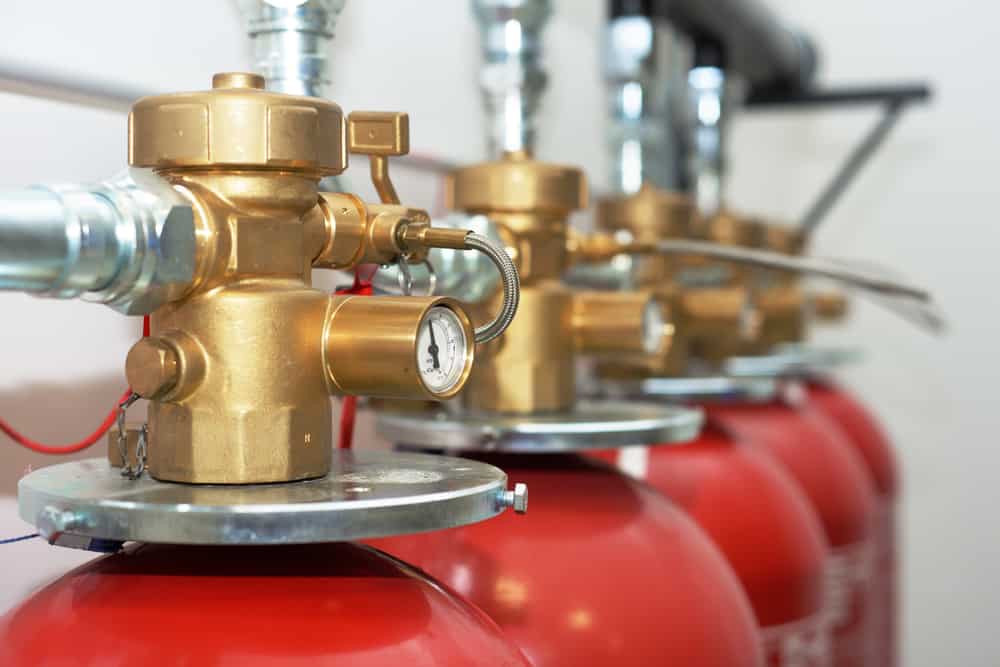
Choosing the right fire safety equipment supplier starts with understanding your actual needs. Different businesses face different fire risks and have different compliance requirements. A restaurant with commercial cooking equipment needs kitchen suppression systems and Class K extinguishers. An office building needs different equipment than a warehouse or manufacturing facility.
Start by assessing your facility’s fire hazards. What types of fires are most likely? Do you have flammable liquids, electrical equipment, commercial cooking operations, or standard combustibles? The supplier you choose should be able to evaluate your specific risks and recommend appropriate equipment—not just sell you whatever they have in stock.
Next, consider the scope of service you need. Do you just need someone to sell you extinguishers, or do you need a partner who can handle installation, inspection, maintenance, training, and emergency response? Most businesses benefit from full-service suppliers who can manage all aspects of fire protection under one contract.
Questions That Separate Professional Suppliers from Amateurs
Before you commit to a fire safety equipment supplier, ask specific questions that reveal their capabilities and reliability. These questions separate qualified professionals from companies that talk a good game but can’t deliver.
Start with licensing and certification. Ask: “Are you FDNY approved for servicing fire extinguishers?” Request their company certificate number and verify it on the FDNY approved companies list. Ask which technicians hold Certificates of Fitness and what types of systems they’re certified to service. Don’t accept vague answers—get specifics.
Ask about response times. “What’s your typical response time for emergency service calls in Nassau County?” and “Do you offer same-day service for violations or failed equipment?” The answers tell you whether they can actually help when you’re in a bind, or if you’ll be waiting days for service.
Inquire about their service area and local presence. “Do you have a warehouse or service center on Long Island?” and “How many technicians do you have covering Nassau County?” Local inventory and adequate staffing mean faster service and better availability.
Get clarity on inspection and maintenance procedures. “What does your annual inspection include?” and “How do you document service and maintain records?” Proper suppliers follow NFPA standards and provide detailed documentation that satisfies fire marshal requirements. Ask to see a sample inspection report.
Discuss their product range and brands. “What brands of fire extinguishers and suppression systems do you carry?” and “Can you source specialized equipment if we have unique requirements?” Suppliers with extensive product lines and strong manufacturer relationships can meet diverse needs without forcing you to work with multiple vendors.
Ask about training and support. “Do you provide fire extinguisher training for our staff?” and “What kind of ongoing support do you offer between inspections?” Good suppliers educate your team on proper equipment use and are available when you have questions.
Finally, get references. “Can you provide references from other Nassau County businesses similar to ours?” Talk to those references. Ask about responsiveness, quality of work, pricing transparency, and whether they’d hire the supplier again.
These questions reveal whether you’re dealing with a professional operation or a company that cuts corners. Trust your instincts. If a supplier is evasive, overly aggressive in sales tactics, or can’t provide documentation, keep looking.
Red Flags That Signal You Should Walk Away
Some warning signs should make you think twice before working with a fire safety equipment supplier. These red flags often indicate problems that’ll surface later—usually at the worst possible time.
Be wary of suppliers who show up unannounced claiming to be fire inspectors or suggesting you’re overdue for service. This is a common scam. Legitimate suppliers don’t use high-pressure tactics or impersonate officials. Real fire marshals don’t sell equipment or services. If someone appears at your door using these tactics, ask for credentials and verify their identity before allowing any work.
Watch out for pricing that seems too good to be true. Fire safety equipment has relatively standard costs. Suppliers offering prices significantly below market are either selling substandard equipment, won’t be around to provide service, or will hit you with hidden fees later. Quality equipment from reputable manufacturers costs what it costs. Legitimate suppliers compete on service, expertise, and reliability—not just rock-bottom prices.
Lack of proper documentation is a major red flag. Suppliers should provide clear proof of licensing, insurance, and certification without hesitation. If they can’t or won’t produce these documents, walk away. You’re risking your business’s safety and compliance.
Be cautious of suppliers who only want to sell you equipment without discussing your actual needs. Professional suppliers assess your facility, ask questions about your operations, and recommend solutions based on your specific risks and requirements. Someone who just wants to sell you extinguishers without understanding your situation isn’t providing real value.
Avoid suppliers who can’t explain Nassau County’s specific fire code requirements or who give you generic information that could apply anywhere. Local expertise matters. If they don’t know the difference between Nassau County’s centralized fire commission approach and other jurisdictions, they probably don’t work much in your area.
Poor communication is another warning sign. If a supplier is hard to reach, slow to return calls, or vague about scheduling, that behavior won’t improve after they have your business. You need a supplier who responds promptly and communicates clearly.
Finally, be skeptical of suppliers who discourage you from getting multiple quotes or who pressure you to sign immediately. Legitimate suppliers are confident in their value and understand that businesses need to make informed decisions. Pressure tactics suggest they’re more interested in closing a sale than building a long-term relationship.
Trust your judgment. If something feels off about a supplier, there’s probably a reason. Keep looking until you find a supplier who demonstrates professionalism, transparency, and genuine expertise.
Partnering with the Right Fire Safety Equipment Supplier
The right fire safety equipment supplier becomes a partner in protecting your business, not just a vendor who shows up once a year. Look for suppliers with proper licensing, local presence, and the full range of services you’ll need over time. Verify their credentials, ask tough questions, and check references before making a commitment.
Nassau County’s fire safety requirements aren’t optional, and the consequences of non-compliance go beyond fines. You’re responsible for protecting your employees, customers, and property. That starts with choosing suppliers who take that responsibility as seriously as you do.
At M&M Fire Extinguishers Sales & Services, Inc., we bring 35 years of family-owned experience serving Long Island businesses. With 24-hour emergency service, certified technicians, and comprehensive solutions from sales through maintenance, we understand what Nassau County businesses actually need.
Related posts