Fire Suppression Systems vs. Extinguishers: Know the Difference
July 2, 2026
Fake Fire Extinguisher Inspection Tags Are a Real Long Island Scam
July 9, 2026
Summary:
Your annual fire safety inspection isn’t something you can wing. When the fire marshal shows up at your Nassau County facility, they’re checking specific equipment, documentation, and compliance points that most business owners don’t think about until it’s too late. Miss one expired tag or blocked exit, and you’re looking at fines, reinspections, or worse—a notice that shuts down operations until you fix the problem. Fall is peak inspection season across Long Island, which means fire marshals are scheduling visits and businesses are scrambling to get compliant. The good news is that most inspection failures are completely preventable when you know what to prepare. Let’s walk through what actually matters when it comes to passing your fall fire safety inspection in Nassau County.
Annual Fire Safety Inspection Requirements in Nassau County
Nassau County doesn’t mess around with fire safety. Every commercial business, multi-family residential property, and public facility needs to comply with the Nassau County Fire Prevention Ordinance, which sets the baseline for what inspectors check during your annual visit.
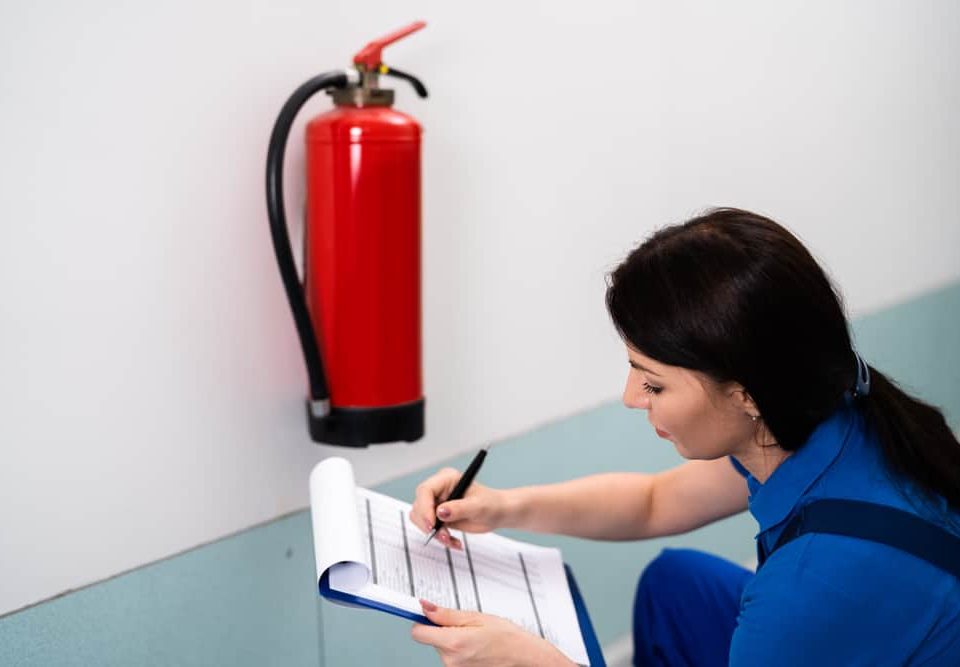
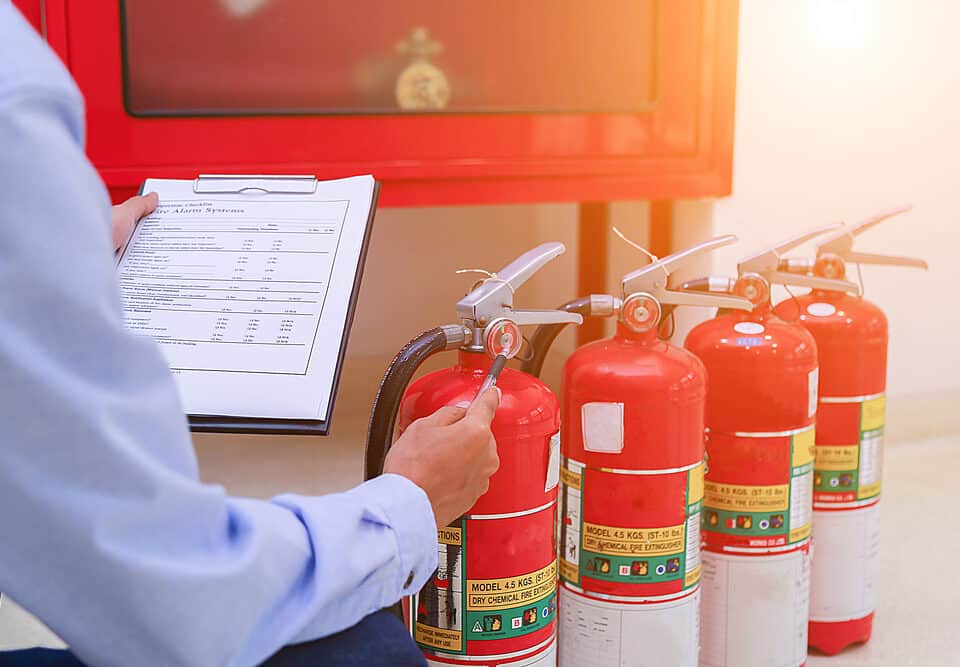
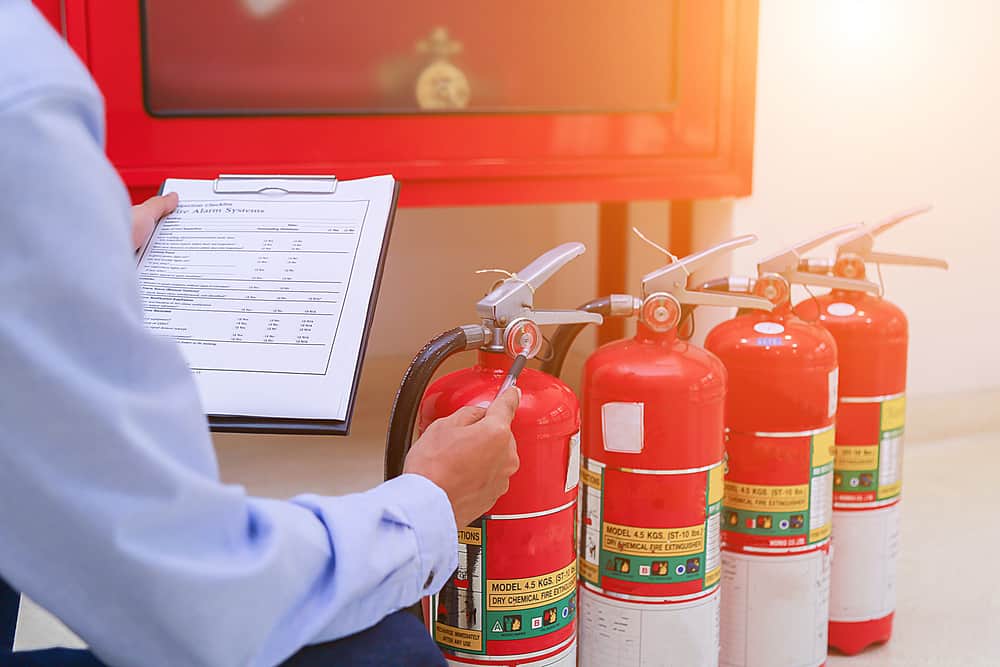
Here’s what that actually means for you. Fire extinguishers must be inspected annually by certified professionals—not just visually checked by your team. The inspection needs proper documentation with dated tags showing the work was done within the last 12 months. Fire marshals will look at these tags first, and if they’re expired or missing, you’re starting the inspection with a strike against you.
Beyond extinguishers, inspectors evaluate your entire fire protection system. That includes exit signage, emergency lighting, sprinkler systems if you have them, alarm functionality, and whether your exits are actually accessible or blocked by storage and equipment. The inspection also covers less obvious things like electrical panel clearance, proper storage of flammable materials, and whether your fire doors close and latch correctly.
What Fire Marshals Check During Fall Inspections
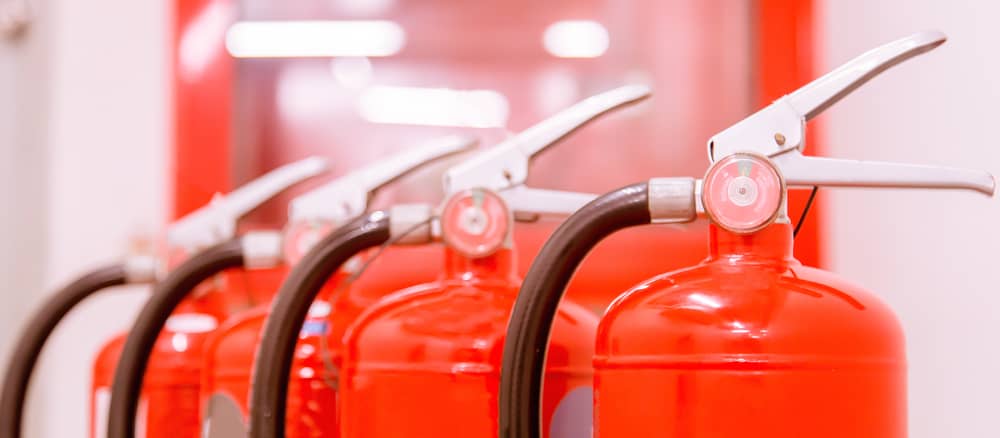
Fire marshals follow a systematic checklist during inspections, and knowing what’s on that list gives you a roadmap for preparation. They start with the basics—are your fire extinguishers visible, accessible, and properly mounted? Then they check the inspection tags to confirm annual maintenance was completed by a licensed company.
Exit routes get scrutinized next. Inspectors walk through your facility looking for blocked exits, non-functioning exit signs, and emergency lighting that doesn’t work when tested. They’ll physically test emergency lights by simulating a power outage to make sure they stay illuminated. If your exit signs are flickering or the emergency lights don’t kick on, that’s an immediate violation.
Fire doors throughout your building must close and latch on their own. Inspectors look for wedges, doorstops, or anything preventing these doors from doing their job. These doors are designed to contain fire and smoke, so propping them open defeats their entire purpose. Storage is another common issue—materials stacked too close to sprinkler heads, combustible items near electrical panels, or inventory blocking access to fire protection equipment all trigger violations.
Documentation matters more than most businesses realize. Inspectors want to see records of your monthly visual checks, annual professional inspections, any maintenance or repairs performed, and employee fire safety training. If you can’t produce these records during the inspection, it’s treated the same as if the work was never done. Keep a fire safety binder or digital records system that’s easy to access when the inspector arrives.
The inspection also covers your fire alarm system if you have one. Inspectors verify that pull stations are accessible, that the system was tested within the required timeframe, and that you have documentation proving it. Sprinkler systems get checked for proper clearance, visible damage, and current inspection records from a certified contractor.
Common Fall Inspection Failures and How to Avoid Them
Most businesses that fail fire inspections make the same preventable mistakes. Understanding these common violations helps you catch problems before the inspector does.
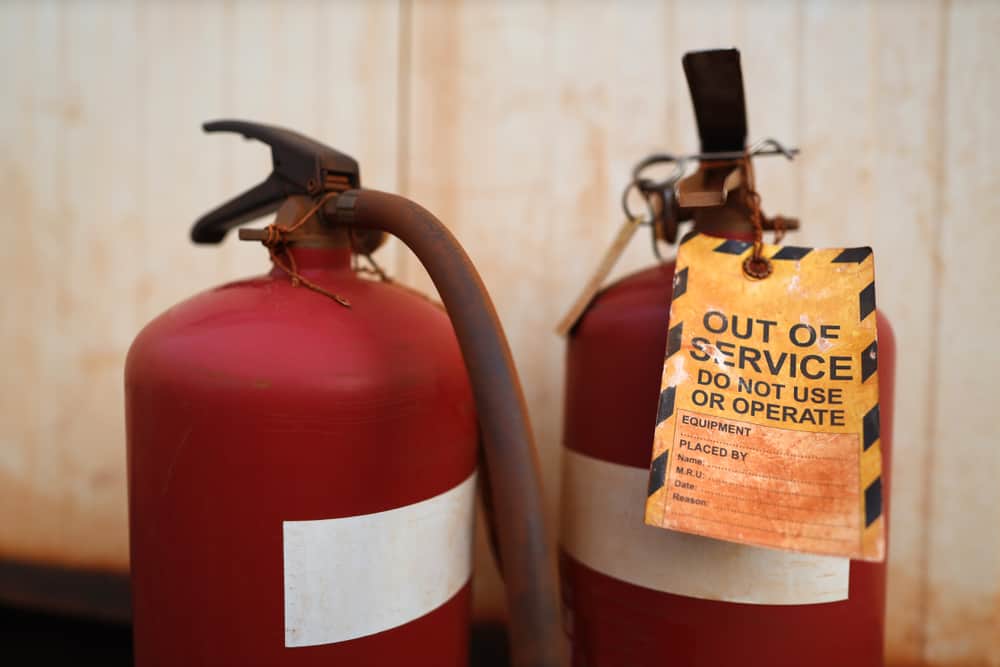
Expired fire extinguisher tags top the list. Your extinguishers need annual inspection by a certified company, and that inspection must be documented with a dated tag. If your tags show a date more than 12 months old, you’re out of compliance. The fix is simple—schedule your annual inspection before fall inspection season hits. Don’t wait until you get the inspection notice from the fire marshal.
Blocked exits and obstructed exit routes fail more businesses than almost anything else. It’s easy to let storage creep into exit pathways or stack boxes near emergency doors, but inspectors have zero tolerance for this. Walk your facility regularly and keep exit routes completely clear. That means nothing within the path of egress—no pallets, no equipment, no temporary storage that you plan to move later.
Missing or damaged exit signs and emergency lighting cause frequent violations. These systems need to work during power outages, which means they require functioning backup batteries. If your exit signs are dark or your emergency lights don’t illuminate during testing, you’ll fail. Test these systems monthly and replace batteries or fixtures before they fail completely.
Fire extinguishers that are damaged, partially used, or missing from their designated locations create obvious violations. Employees sometimes grab extinguishers for small incidents and never report it, leaving you with equipment that’s not ready for inspection. Implement a policy requiring employees to notify management immediately if an extinguisher is used or damaged, so you can have it recharged or replaced before the inspection.
Documentation gaps sink businesses that are otherwise compliant. You might have all the right equipment and maintenance completed, but if you can’t prove it with records, the inspector treats it as non-compliant. Start a documentation system now if you don’t have one. Record monthly visual inspections, keep copies of annual service reports, and maintain logs of any fire safety training your employees complete.
Improper storage creates violations that surprise business owners. Combustible materials stored too close to heat sources, flammable liquids without proper containment, or inventory stacked within 18 inches of sprinkler heads all trigger citations. Review your storage practices and make sure you’re following clearance requirements for fire protection equipment and potential ignition sources.
Fire Inspection Checklist for Fall Compliance
A systematic pre-inspection walkthrough catches most violations before the fire marshal arrives. This checklist covers the critical areas inspectors evaluate during fall inspections in Nassau County.
Start with your fire extinguishers. Confirm each one is in its designated location, properly mounted, and easily accessible. Check that inspection tags show service within the last 12 months. Look at the pressure gauge—it should be in the green zone. Make sure the pull pin and tamper seal are intact, and that operating instructions are legible and facing outward.
Move through your exit routes next. Walk from various points in your facility to each exit, checking that pathways are completely clear. Verify that exit signs are illuminated and all bulbs are working. Test emergency lighting by simulating a power outage—lights should stay on for at least 90 minutes. Confirm that exit doors open easily and aren’t locked or blocked from the inside.

Pre-Inspection Documentation Checklist
Documentation proves compliance, and inspectors will ask to see specific records during your fall inspection. Having these organized and accessible makes the inspection go smoothly and demonstrates that fire safety is a priority at your facility.
You need current fire extinguisher inspection reports from your certified service company. These should show the date of service, which extinguishers were inspected, any maintenance performed, and the technician’s certification information. Keep these reports for at least three years—inspectors sometimes want to see historical records to verify ongoing compliance.
Monthly visual inspection logs show that your team is actively monitoring fire safety equipment between annual professional inspections. These logs should document who performed the check, what was inspected, the date, and any issues found. Even if you’re doing these checks, you’re not compliant if you can’t produce the documentation.
Fire alarm and sprinkler system inspection reports need to be current and accessible. If your facility has these systems, they require periodic testing and inspection by certified contractors. Keep copies of all service reports, testing documentation, and any repairs or maintenance performed. Inspectors will ask for these records to verify your systems are properly maintained.
Employee training records matter more than most businesses realize. If you conduct fire safety training, evacuation drills, or fire extinguisher instruction for your staff, document it. Record the date, who attended, what was covered, and who conducted the training. This documentation shows inspectors that your facility takes fire safety seriously beyond just maintaining equipment.
Building plans and fire safety plans should be current and reflect your actual layout. If you’ve made changes to your space, updated your fire safety plan, or modified exit routes, make sure your documentation reflects reality. Inspectors compare what they see during the walkthrough to what your plans show, and discrepancies raise red flags.
Maintenance records for any repairs or upgrades to fire safety equipment demonstrate ongoing attention to compliance. If you’ve replaced exit signs, repaired fire doors, or upgraded any fire protection equipment, keep records of that work. This documentation shows a pattern of proactive maintenance rather than reactive fixes only when inspections approach.
Timeline for Scheduling Professional Inspections
Timing your professional fire safety inspections strategically keeps you compliant and reduces stress during fall inspection season. Most businesses wait too long and end up scrambling when inspection notices arrive.
Schedule your annual fire extinguisher inspection in late summer or early fall, before the peak inspection season hits Nassau County. This timing gives you current tags and documentation when fire marshals start scheduling facility inspections. If your inspection reveals issues that need correction, you have time to address them before the official inspection.
Don’t schedule your professional inspection right before your tags expire. If your current tags show service from last October, don’t wait until September to schedule this year’s inspection. Book it in August or early September to build in buffer time for any issues that come up. Service companies get busy during fall, and last-minute scheduling might not be possible.
Consider the lead time your fire safety service company needs. During peak season, certified companies book up quickly. Call to schedule your annual inspection at least 2-3 weeks in advance, maybe longer if you have a large facility or complex fire protection systems. Last-minute calls often mean waiting days or weeks for service, which could leave you out of compliance if your tags expire.
If you receive a notice scheduling your official fire marshal inspection, don’t panic—but don’t procrastinate either. You typically have a specific date or window when the inspector will visit. Use that time to complete a thorough pre-inspection walkthrough using the checklist from earlier in this article. Address any obvious issues immediately, and call a professional service company right away if you need inspection tags updated or equipment serviced.
For facilities with multiple fire protection systems—extinguishers, alarms, sprinklers—coordinate your professional inspections so everything is current simultaneously. Having your extinguishers inspected in September but your sprinkler system inspected back in March creates documentation gaps that look sloppy during official inspections. Try to schedule all professional services within the same month or quarter.
Some businesses benefit from setting up annual service agreements with fire protection companies. These agreements schedule your inspections automatically, send reminders before service dates, and often include priority scheduling during busy seasons. If you’ve struggled to stay on top of inspection schedules in the past, an automatic service agreement removes that burden and keeps you consistently compliant.
Stay Inspection-Ready This Fall Season
Fall fire safety inspections don’t have to be stressful when you prepare correctly. The facilities that pass without issues are the ones that treat fire safety as an ongoing priority rather than a last-minute scramble before the inspector arrives.
Focus on the basics that trip up most businesses—current inspection tags on all fire extinguishers, clear exit routes, functioning emergency lighting, and organized documentation. A systematic pre-inspection walkthrough catches most violations before they become official citations. Schedule your professional inspections early in the season to avoid the rush and give yourself time to address any issues that come up.
The consequences of failing an inspection go beyond just fines. You’re looking at potential business interruption, insurance complications, and the time and expense of reinspections. Getting it right the first time protects your business, your employees, and your bottom line.
If your facility is due for annual fire safety inspections or you need help getting compliant before fall inspection season, we provide comprehensive fire protection services throughout Nassau County and Long Island. With over 35 years of experience and 24/7 availability, we help businesses stay compliant and inspection-ready year-round.
Related posts