
2026 Nassau Fire Extinguisher Inspection Costs
July 28, 2026
Monthly Fire Extinguisher Inspection Form: Free NY-Ready PDF Template
July 30, 2026
Summary:
You scheduled the annual inspection. Someone came out, checked the extinguisher, attached a tag, and left. As far as you were concerned, you were done for the year. That’s how most business owners in New York think about fire extinguisher compliance — and it’s exactly the assumption that leads to violations, fines, and failed audits.
The FDNY tag on your extinguisher proves one thing: that a certified company performed an annual inspection. It doesn’t prove the other two things the fire marshal is also looking for. Here’s what those are, why they matter, and what you can do to make sure all three bases are covered.
Fire Extinguisher Inspection Frequency: The Three Layers Most Owners Don't Know About
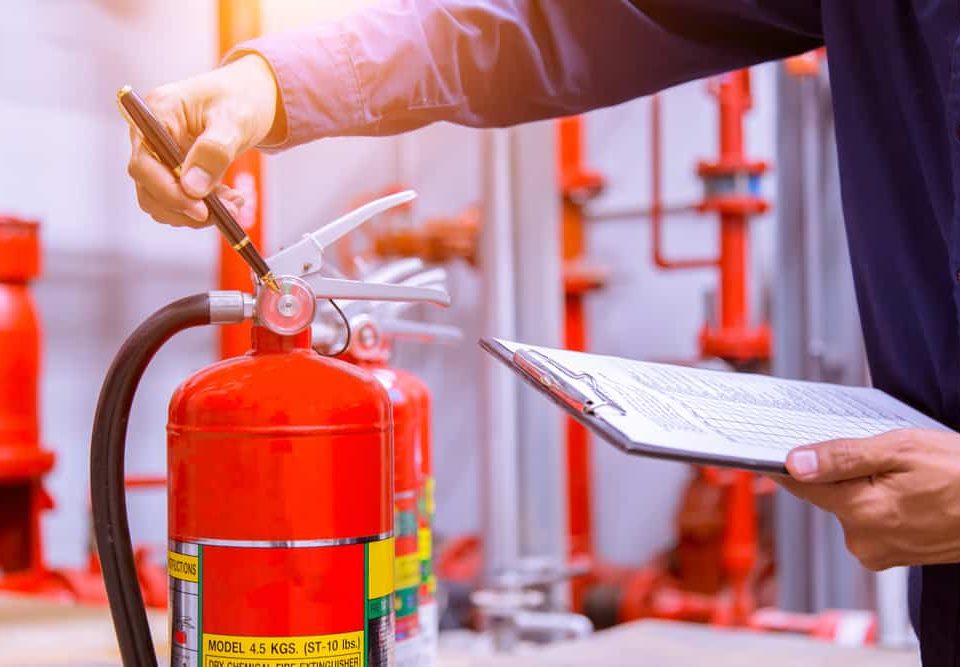
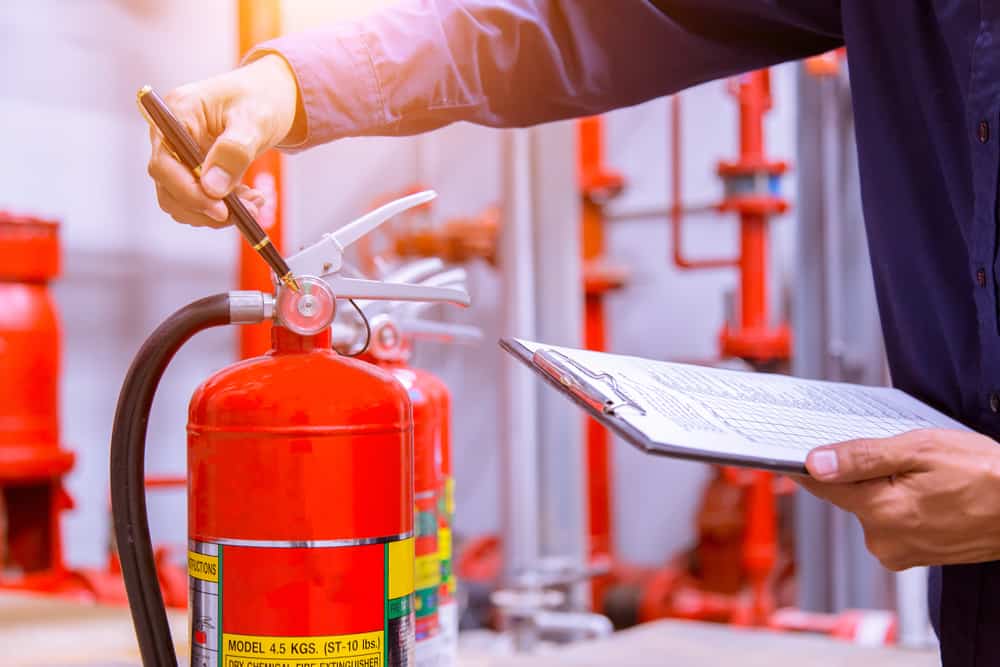
Most business owners know about the annual inspection. It’s the one that requires a certified professional, produces the tag on the side of the extinguisher, and satisfies the most visible compliance requirement. But NFPA 10 — the national standard that governs fire extinguisher maintenance — actually mandates four service intervals, and FDNY enforces them all.
The three that matter most for everyday compliance are monthly visual checks, the annual professional inspection, and a 6-year internal maintenance service. The annual visit only covers one of those. The monthly layer is your responsibility as the business owner. The 6-year requirement is a professional service that most owners have never scheduled — and many don’t know exists.
Fire Extinguisher Monthly Checklist: What You're Required to Do Between Annual Visits
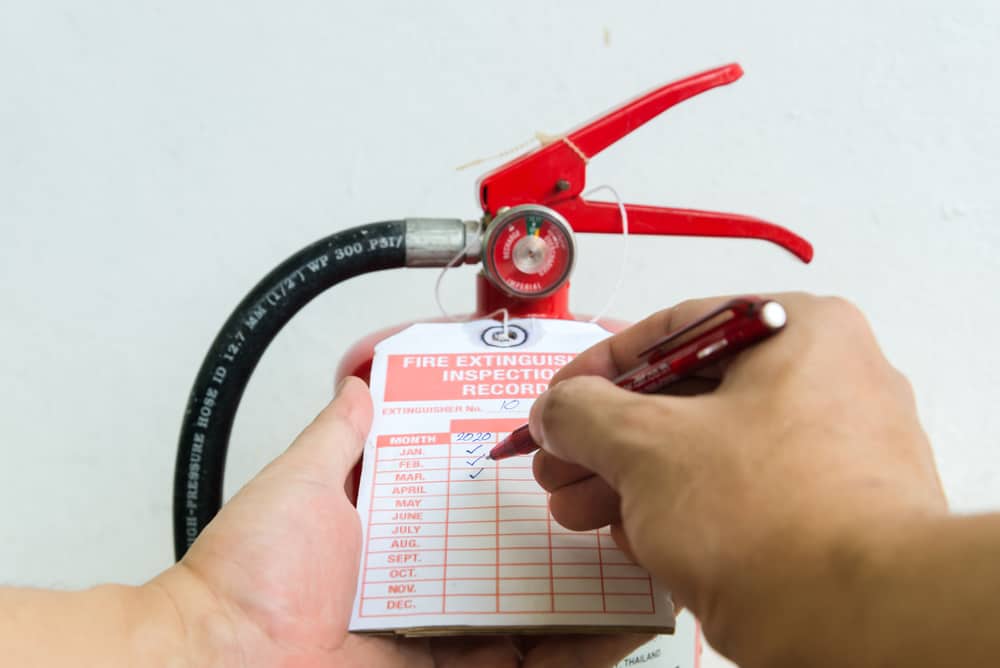
Under NYC Fire Code 906.2.1.1, business owners are required to inspect their portable fire extinguishers at least once a month. This isn’t optional, and it isn’t something your annual service provider handles on your behalf. It’s on you — or whoever manages the building — to walk the floor, check each unit, and keep a written record of what you found.
What does a compliant monthly check actually involve? You’re verifying that the extinguisher is still mounted in its designated location, that it’s accessible and not blocked by equipment, furniture, or storage. You’re confirming that the operating instructions on the nameplate are facing outward and legible. You’re checking for visible damage — dents, corrosion, a broken seal. You’re looking at the pressure gauge to confirm the needle is in the green zone. And then you’re dating and initialing the inspection record.
That last part is where most businesses fall short. The physical condition of the extinguisher might be perfect, but if there’s no written record of the monthly check, a fire marshal can still cite you. The records can be kept on a tag attached to the extinguisher, on a separate inspection checklist maintained on file, or through an approved electronic system — but they have to exist. “We check it all the time” isn’t documentation.
This is the compliance gap that creates the most preventable violations in NYC and across Long Island. A business owner who didn’t know monthly checks were required, who never initialed a log, who assumed the annual inspection covered everything — that’s a business that fails an unannounced audit even when the extinguisher itself is in perfect working order. Documentation is compliance. The two aren’t separate things.
The 6-Year Fire Extinguisher Maintenance Most NYC Businesses Have Never Scheduled
If your fire extinguisher has been on the wall for six or more years, there’s a good chance it’s due for a service that goes well beyond the annual inspection — and a good chance no one has ever mentioned it to you.
NFPA 10 requires that stored-pressure dry chemical extinguishers undergo an internal examination every six years. This isn’t a visual check. The extinguisher is depressurized and opened so a technician can inspect the internal components for corrosion, damage, or degradation that wouldn’t be visible from the outside. If the unit passes, it’s recharged, reassembled, and returned to service. If it doesn’t, it gets replaced. The annual inspection tag on the outside of the unit tells you nothing about whether this service has been performed.
Beyond the 6-year internal exam, NFPA 10 also requires hydrostatic testing — a pressure test of the cylinder itself — at either the 5-year or 12-year mark depending on the extinguisher type. This tests the structural integrity of the tank, not just the agent inside it.
If your extinguishers were installed or last fully serviced in 2019 or earlier, the 6-year window may already be open. For businesses in Nassau and Suffolk Counties, this is worth paying attention to — Nassau County’s Fire Marshal’s Office and Suffolk County’s Fire Extinguisher Licensing Board both enforce compliance with NFPA 10 maintenance intervals, and Suffolk’s decentralized model, with 109 volunteer fire departments operating across local fire districts, means individual towns can apply additional requirements on top of the state standard. Knowing which rules apply to your specific location matters, and it’s the kind of detail that we’ve been navigating across Long Island and all five boroughs of NYC for over 35 years.
Monthly Fire Extinguisher Checks Aren't Enough If Your FDNY Tag Is Wrong
Even if you’re doing everything right on the monthly side, there’s a second major compliance risk that business owners often overlook: the FDNY tag itself. Not just whether you have one, but whether it’s valid, complete, and issued by a company that’s actually authorized to provide it.
Since June 1, 2018, FDNY rule 3 RCNY 115-02 has required that all portable fire extinguishers in NYC display a standardized FDNY-issued tag. Only companies holding an active FDNY Company Certificate are authorized to purchase and affix these tags. If the company that serviced your extinguisher wasn’t on the approved list, the tag they attached — regardless of what it looks like — is not a valid FDNY tag, and you’re out of compliance.
What Information Must Appear on an FDNY Fire Extinguisher Tag
The FDNY tag isn’t just a sticker that says “inspected.” It’s the primary evidentiary document a fire marshal reviews during an audit, and it has to contain specific information to be considered valid.
A compliant tag must include the servicing company’s name, address, phone number, and FDNY company ID. It must show the date the service was performed. It must include the technician’s Certificate of Fitness number — the individual credential that proves the person who touched your extinguisher was personally authorized by FDNY to do so. The tag must also reference the extinguisher’s serial number, model, type classification, size, and designated location within the building.
If any of that information is missing or incorrect, the tag doesn’t satisfy the requirement — even if the inspection itself was performed competently. This is why the identity of who services your extinguisher matters as much as whether the service gets done.
The 2018 rule change came directly out of a Department of Investigations finding that multiple companies had been providing fraudulent fire extinguisher services — charging businesses for inspections that either weren’t performed or weren’t performed by certified technicians. The new standardized tags were designed to make fraud harder. They include a hologram strip that is exactly 3 inches long by a quarter-inch wide and changes color when moved against light. They include a QR code that links to FDNY’s approved company list, so anyone — including a fire marshal — can verify on the spot whether the company that issued the tag is actually authorized to do so. A counterfeit tag won’t have a high-quality silver hologram, and it won’t shift color. If yours doesn’t, it’s not a valid FDNY tag.
Fire Extinguisher Inspection Records: What Happens When FDNY Shows Up Without Warning
FDNY inspections are unannounced. There’s no scheduling window, no advance notice, no opportunity to scramble and get your paperwork in order before an inspector walks through the door. In 2024 alone, FDNY issued over 22,000 fire code violations across New York City. When a violation notice lands in your hands, you have 35 days to correct the condition and file a Certificate of Correction. If you miss that window, you’re looking at a mandatory hearing — and potentially higher fines on top of the original penalty.
First-time fire extinguisher violations carry fines of $250 to $1,000. Repeat violations can reach $1,000 to $5,000 or more. And those are just the regulatory consequences. Commercial property insurance policies often contain clauses that void coverage when fire code non-compliance is documented — meaning a fire that might have been covered becomes an out-of-pocket loss because the inspection records weren’t in order.
This is why the fire extinguisher inspection record conversation matters beyond just “keeping good files.” Your monthly inspection log, your annual certification tag, and your 6-year service history are the three documents that together demonstrate full compliance. A fire marshal who finds a current FDNY tag but no monthly records hasn’t found a business that’s mostly compliant — they’ve found a business that’s partially compliant, and that’s still a violation. The tag proves the annual visit happened. It cannot prove the monthly checks did. Those records have to exist separately, and they have to be accessible.
For businesses across Long Island — whether you’re operating in a Nassau County commercial district or a Suffolk County industrial zone — the compliance picture is layered. You’re working under New York State Fire Code, NFPA 10, OSHA 29 CFR 1910.157, and potentially additional local requirements depending on your town or fire district. Knowing what applies to your specific address, and being able to produce the right documentation for the right authority, is what separates a business that passes an audit from one that doesn’t.
How to Make Sure Your Fire Extinguisher Compliance Actually Holds Up
The annual inspection is the starting point, not the finish line. If your extinguishers have a current FDNY tag but no monthly inspection records, or if they’re past the 6-year internal maintenance window, you’re carrying compliance gaps that an unannounced audit will find — even if everything looks fine on the wall.
Getting it right isn’t complicated, but it does require knowing what the full picture looks like. Monthly checks are your responsibility, and they need to be documented. The annual inspection needs to come from an FDNY-certified company that issues a valid, complete tag. And if your extinguishers have been in service for six years or more, it’s worth finding out whether the internal maintenance is overdue.
If you’re not sure where your compliance stands — or if you’ve already received a violation notice and need it resolved quickly — M&M Fire Extinguishers Sales & Services, Inc. has been navigating these requirements across Long Island and all five boroughs of NYC for over 35 years. Reach out and we’ll tell you exactly what you’re looking at.
Related posts